Categories :
Share This :
FREE SHIPPING ON ORDERS OVER $150
FAST SHIPPING WITH EVERY ORDER
FREE SHIPPING ON ORDERS OVER $150
FAST SHIPPING WITH EVERY ORDER

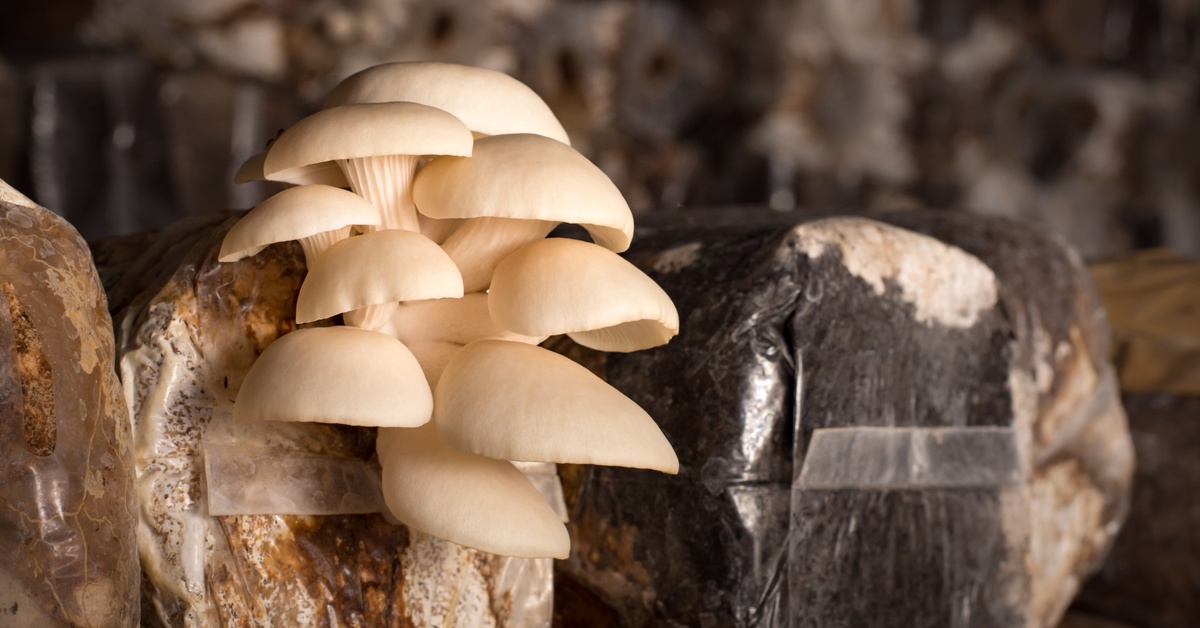
Today, mushroom farming has significantly advanced and become more effective due to modern tools like grow bags for mushrooms. These versatile bags are reshaping how mushrooms can be grown within a controlled environment that maximizes yield with minimal effort. Whether growing a small home batch or operating a commercial venture, mushroom grow bags are integral to cultivation supplies.
In this blog, we will discuss why grow bags are best for mushroom cultivation and provide excellent tips on how to get the most out of them.
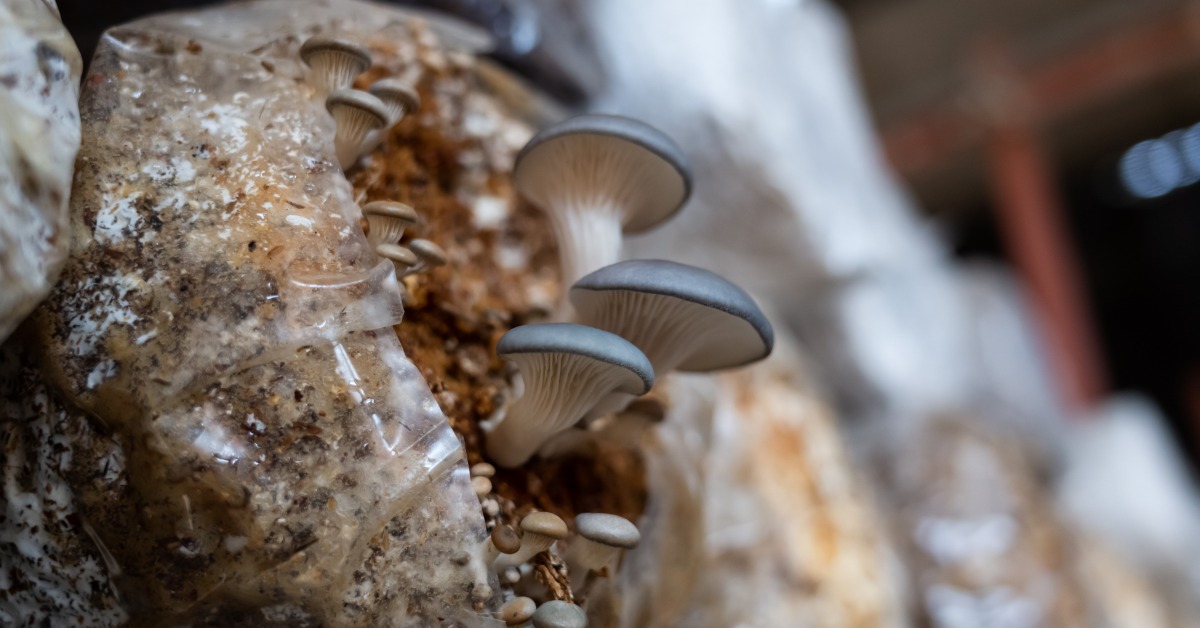
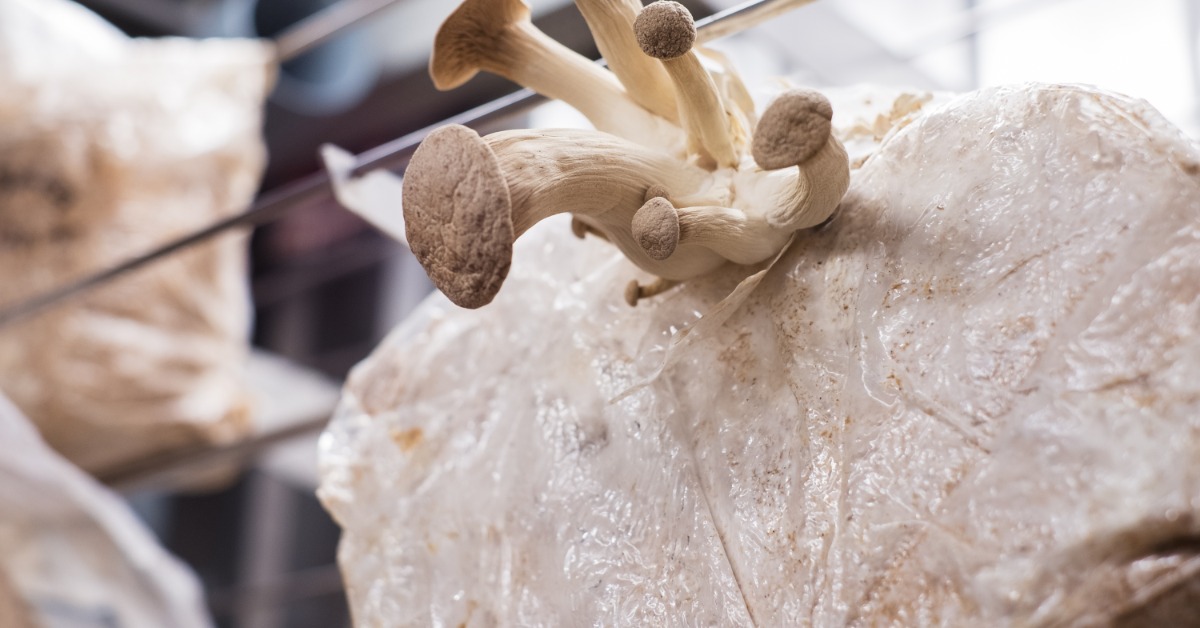
Mushroom grow bags, including side seam bags and bottom mushroom waste bags with base spouts, are widely available. These types of bags are beneficial for vertical farming. This easy thin bag is widely used for numerous types of oyster mushrooms. It comes in various sizes suitable for mushroom strains, such as oyster, shiitake, and lion’s mane. Flexible enough to accommodate air filtering devices, the material is also resilient to avoid puncturing by the substrate.
Light, portable, and easy-to-carry grow bags suit both amateurs and experienced growers. They are very flexible and can be used in any given space, whether inside or outside, or even organized in a stack to conserve room. Those with less available surface area can adapt to these bags to increase growth. Thus, they are well suited for mushroom farming.
Mushroom farming relies heavily on proper ventilation and moisture retention. Moreover, breathable grow bags allow air passage but close the bag to moisture, thus creating a perfect environment for colonizing the mycelium and fruit into mushrooms(the root system of mushrooms). The fabric avoids excess heat, promoting vigorous growth while minimizing the chances of mold and bacteria contamination.
Mushroom farming is often polluted by harmful microbes like bacteria and mold that can destroy the produce. This risk is minimized with grow bags, allowing controlled and aseptic preparation and incubation. Most grow bags are pre-sterilized, and their closed structure shields the substrate from dirt and foreign organisms.
Grow bags have been designed to enhance the growth of mushrooms. When growing mushrooms, the bags provide more room without cramping the mycelium so it can grow and produce fruits more effectively. Furthermore, grow bags also keep the right temperature and humidity within the bag, enabling quicker growth and faster yields. Also, the bags have proved to hasten the maturation of mushrooms because they are grown in bags – the best cultivation method in commercial farming.
Mushroom cultivation supplies like substrates and grow bags are inexpensive, with reusable grow bags lasting multiple seasons. Eco-friendly options reduce waste, and mushrooms are grown sustainably, requiring minimal resources like water and space.
Determine the best substrate according to the mushroom type. There are commonly three: sawdust, straw, and coconut coir. For instance, the shiitake mushroom thrives well on sawdust coming from hardwood, while the oyster mushroom prefers straw.
Sterilizing the growing medium helps destroy any harmful microbes present. Some growth bags are manufactured sterile; however, if you make your growth bags, the sterile preparation is crucial to avoid contamination.
After sterilization, spread mushroom spawn evenly over the prepared substrate. Finally, seal the grow bag and keep it in a warm, dark place to allow the mycelium to spread.
During incubation, maintain 65°F – 75°F (18°C to 24°C) temperature. After colonization, reduce the temperature to 55°F – 65°F (13°C – 18°C) for fruiting. Mist the grow bag or use a humidity dome to maintain moisture.
Mushroom growing resources, including substrates and grow bags, are inexpensive and recyclable, so costs remain low over time. Grow bags can be used for multiple cycles with proper care. Biodegradable products further reduce environmental impact. Since mushrooms require few resources, the process is eco-friendly.
At Booming Acres, we provide premium-quality grow bags for mushrooms and other essential mushroom cultivation supplies to help you achieve exceptional harvests. Whether you’re a hobbyist or a commercial grower, our products ensure convenience, efficiency, and high yields every time.
Take your mushroom farming to the next level with our trusted solutions. Visit Booming Acres today to explore our range of grow bags and supplies for all your cultivation needs!
Grow bags are good equipment for mushroom cultivation. They provide great ease and usefulness as they allow mushroom cultivation in a highly efficient way with low risks of contamination and have faster harvests. They have a controlled environment regarding airflow and moisture retention, promoting healthy growth and successful mushroom cultivation. Starting from scratch or looking to increase your production requires fewer complications and work via grow bags.
A good mushroom crop with minimal labor is possible if one chooses the correct substrate, sterilizes it correctly, and maintains appropriate environmental conditions. Grow bags make mushroom production easy and can be used inexpensively and sustainably from home. So, for any mushroom enthusiast who wants to try mushroom cultivation, give grow bags a shot and experience a successful and rewarding harvest.