Categories :
Share This :

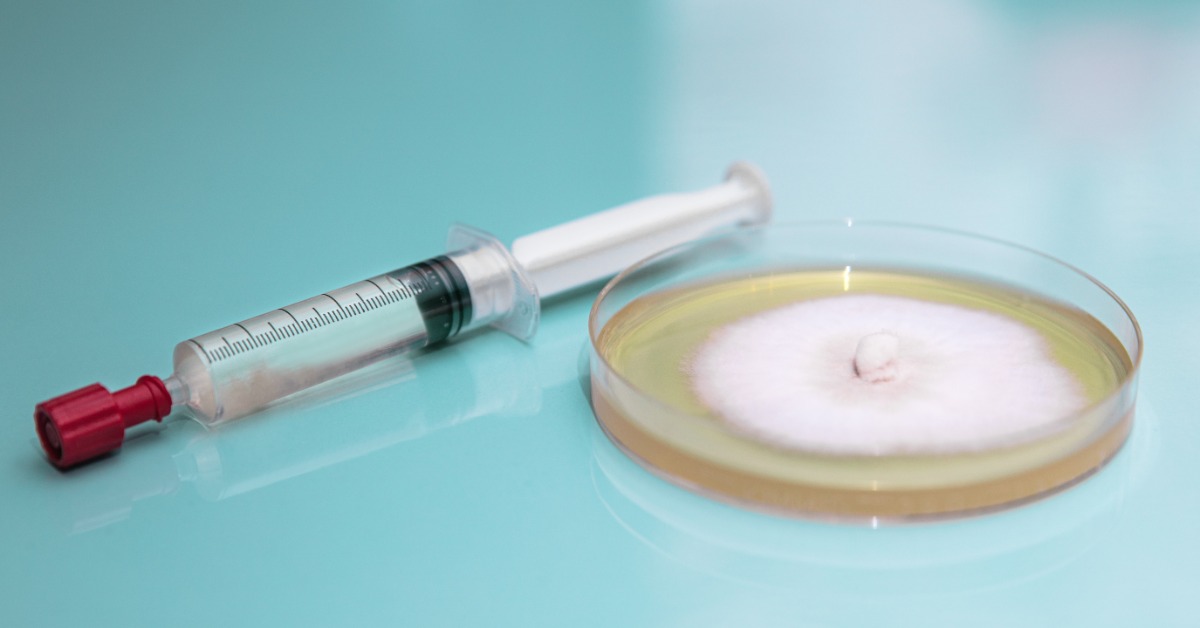
Agar work becomes much easier once you stop treating a completely colonized plate as the finish line. You do not need to wait until mycelium reaches every edge before transferring. In fact, waiting that long reduces the number of clean areas you can choose from.
As you learn to transfer mycelium to fresh agar plates, pay close attention to the growing edge. Clean, active growth provides a good opportunity for transfer. If contamination appears, move sooner. See how the plate itself reveals the clues you need.
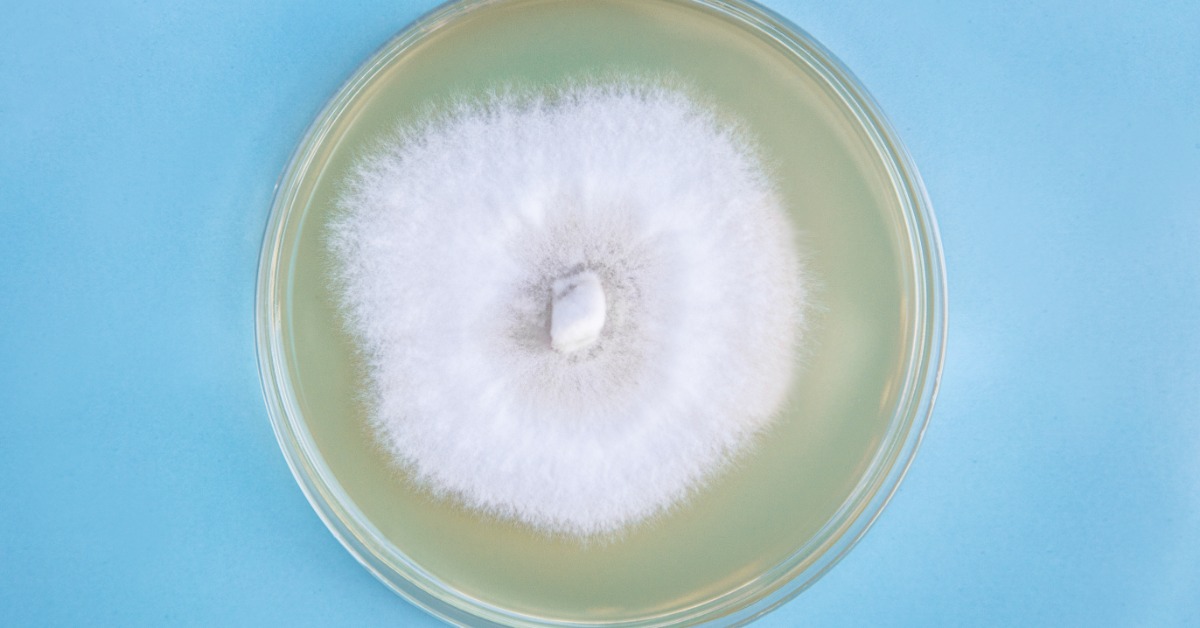
Start by looking at the mycelium’s leading edge. This outermost area shows where fresh growth continues moving across the agar. Because that edge contains active growth, you can usually take a small transfer from it.
You do not need a large piece. Take a small wedge from a healthy section so the mycelium has enough material to recover and keep spreading on a fresh plate. More importantly, look for separation between the growth you want and anything questionable nearby.
Many new growers wait for the plate to turn completely white because it feels like the culture hasn’t “finished” yet. Agar transfers do not work that way.
Once you identify healthy growth along an active edge, move it. If the culture stays clean and you want to let it develop longer, that is fine. Still, you do not need a full plate.
Treat the plate as a workspace rather than an end point. Use it to observe the culture and decide what deserves to move forward.
Contamination changes the situation quickly. If you see suspicious growth on one side of the plate while healthy mycelium continues elsewhere, waiting only allows the unwanted growth to spread further.
At that point, choose a clean section from the leading edge as far away from the problem as possible. Transfer that piece onto fresh agar before the two growth areas meet. You may need to transfer again later. That is normal! Agar gives you room to clean up a culture over several plates instead of forcing one plate to do everything.
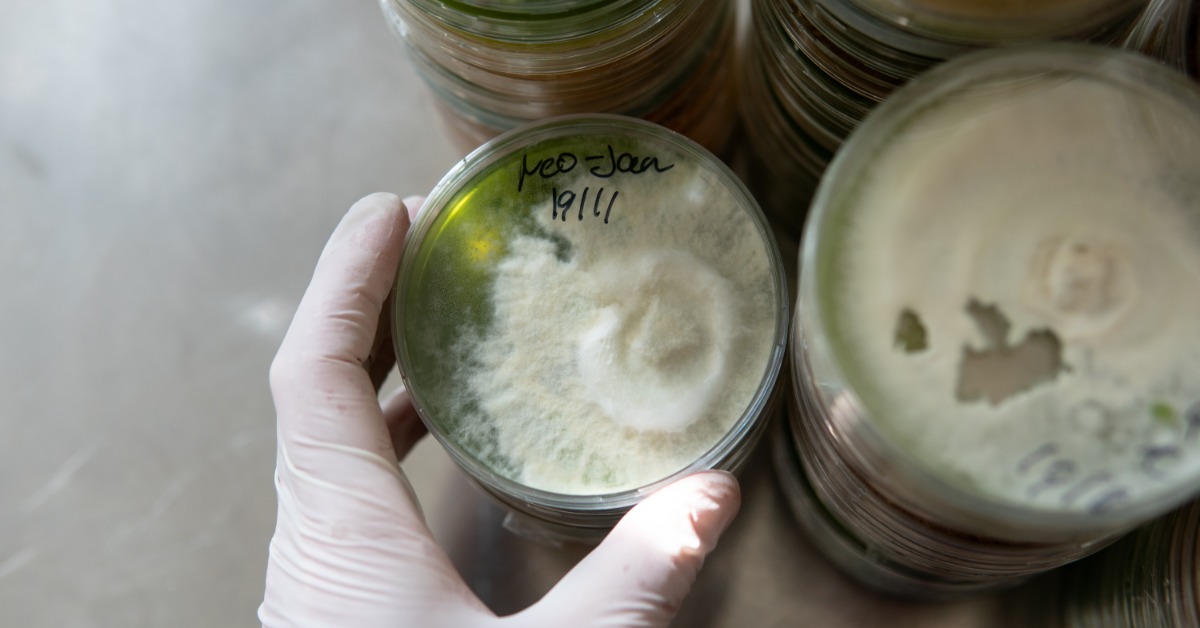
Mycelium does not always grow in one perfectly even circle. As the colony develops, you may notice one area moves faster or forms a noticeably different pattern. Growers often call these separate areas sectors.
Sectoring gives you another reason to consider a transfer. Choose one healthy section, move it to a fresh plate, and watch it develop on its own.
Just avoid assuming the most dramatic-looking sector is automatically superior. Rope-like growth may look impressive, but agar appearance alone does not reveal how well that culture will fruit later.
Once you transfer a sector, the fresh plate shows you how that section behaves. If the growth becomes more uniform, you learn something useful about the culture. If you continue to see distinct patterns, make another transfer to narrow things down further. Here, patience helps. Agar work focuses on making one clear decision at a time.
Fresh agar provides mycelium with moisture and nutrients. As the plate ages, that environment gradually changes. The agar may dry out around the edges, while the mycelium may become dense enough to make observation difficult.
You do not need to rush every healthy plate off the shelf. However, if you plan to keep expanding a culture, transfer it while the growing edge still looks active and easy to read. Once the colony covers most of the plate, the fresh agar at the leading edge disappears.
You can usually read younger growth more easily because you can see how it moves away from the original transfer point. Older plates can become crowded. Dense mycelium may cover subtle changes that stood out clearly earlier. So, if you already know you want to continue the culture, do not wait until every inch of agar is covered.
If you already doubt a plate, grain isn’t the place to test it.
Agar lets you see what happens on the surface. Once you move a questionable culture into grain, you lose much of that visibility. Grain also provides both mushroom mycelium and contaminants with plenty of nutrition.
So, when something on the plate looks inconsistent, transfer a clean section onto fresh agar first. Then observe how the new plate develops.
Transfer to a fresh plate when you notice any of the following:
A grain bag requires a much larger commitment than a small agar plate. If something goes wrong on agar, you lose a plate. If you move contaminated culture into grain, you risk losing the entire bag.
That is why an extra transfer often makes sense when you’re unsure. Let the fresh plate confirm what you see before you move into a larger stage of cultivation.
No universal day determines when every culture is ready for fresh agar. Some cultures move quickly across the plate, but many others may take longer.
As you become comfortable transferring mycelium to fresh agar plates, start with the leading edge. If you see clean, active growth, you already have a potential transfer point. When contamination starts closing in, move sooner. Maintain healthy mycelium on fresh media while you still have a clear, clean section to work with.
Booming Acres provides ready-to-use mushroom agar plates for growers who want to spend more time working with cultures and less time preparing media. If you see a clean leading edge ready to move, keep fresh plates nearby to transfer while the culture is still active. Explore Booming Acres today, and keep your next agar transfer clean and ready when the plate tells you it is time.
This article provides cultivation education only and does not provide medical advice. Nothing here has FDA approval, and nothing here claims to diagnose, treat, cure, or prevent any condition.