Categories :
Share This :

Even when you start with sterilized grain, a clean agar plate, or a professionally prepared grow bag, contamination can still sneak in if your workspace isn’t ready. That’s why it’s so important to set up your space before the needle ever touches an injection port.
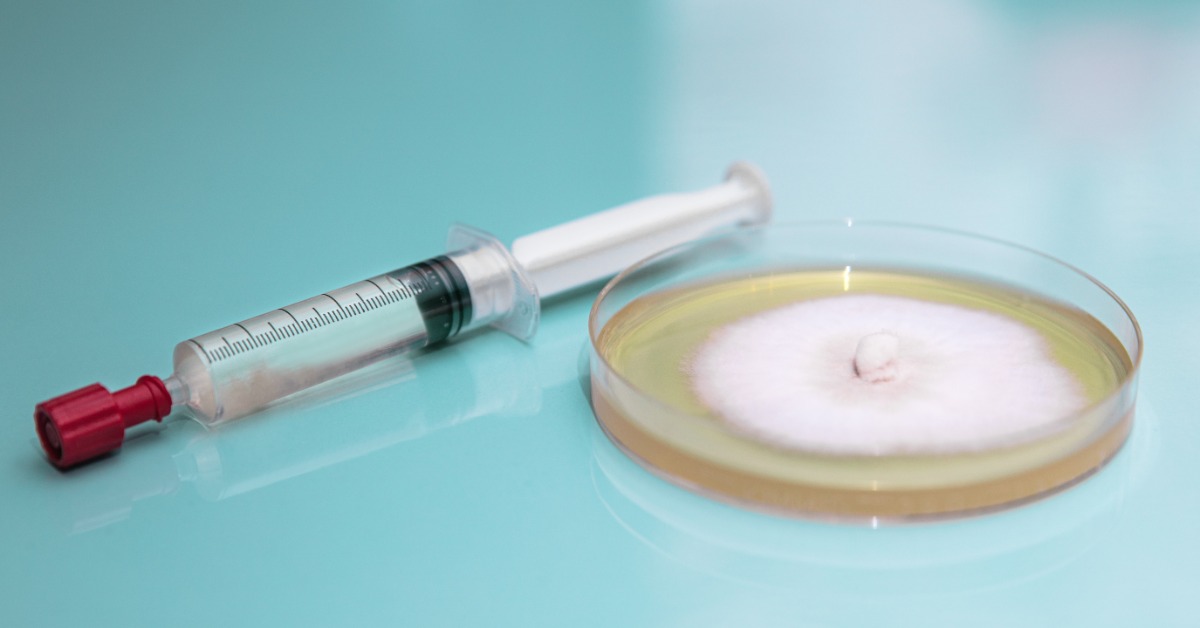
Let’s look at the key moments when your materials become exposed. Inoculation and culture transfers give airborne spores or bacteria their best chance to enter your project. Here’s how clean workspaces improve mushroom cultivation success.
Sterilization provides a clean start for your mushroom project, but your workspace protects that fresh beginning.
As soon as you start inoculating grain or open an agar plate, you expose those sterile materials to everything in the room. Dust can carry mold spores, and your hands may pick up microbes from a phone or a drawer handle. Even a spotless countertop can hide things you can’t see.
You don’t need to sterilize your entire home. Instead, just focus on lowering contaminants around your immediate work area before you begin.
It helps to separate these two ideas: sterilization removes microorganisms from materials like grain or agar before you use them, while cleaning your workspace reduces the risk that contaminants will reach those sterile materials later. Wiping the table won’t turn your room into a laboratory, but it does give you a much better place to work than a dusty counter by an open window.

Not every stage of mushroom cultivation requires the same level of cleanliness. For example, a sealed and colonized grow bag offers much more protection than an open agar plate.
Culture work demands the most attention because agar provides an exposed, nutrient-rich surface. Grain inoculation also deserves extra care. Once mold spores or bacteria reach grain, they have access to the same food your mushroom mycelium needs.
On the other hand, once your project is fully colonized and moving into normal fruiting conditions, you don’t need to be as strict about sterility. At that point, it’s more about keeping the growing area generally clean and managing the environment.
Inoculating a sterile grain bag is one of the rare moments when outside contaminants can get in, so preparation is key. Set up everything you need before you even remove the needle cap. Clean the injection port first, and keep the sterile needle away from your hands or the work surface. Once the needle enters the port, finish the inoculation smoothly without any unnecessary steps.
A crowded counter means more things to bump into and more obstacles to work around. Before you start, clear away anything unrelated to inoculation or transfer.
Keep only the supplies you need close enough to reach comfortably:
With everything ready and within reach, you won’t have to open drawers or walk across the room mid-process.
Air does more than just keep the room comfortable; it also moves dust. A fan can send particles across your work area right as you open a plate, and heating or air-conditioning vents can do the same.
So, before you start any sensitive culture or inoculation work, turn off fans and avoid working right next to vents. Let the room settle for a bit after you’ve moved around and cleaned, and try to prevent any unnecessary movement while your sterile materials are exposed.
Once you’ve cleared the workspace and reduced airflow, clean the table or counter. Wipe away anything that’s collected since the last use, and clean the surface before setting down any sterile supplies. Let the cleaned area dry, then bring in the items you plan to use.

It’s easy to clean the whole room and then undo your work by touching the wrong thing. So, always wash your hands before you start. If you wear gloves, keep them clean and avoid touching dirty surfaces. For example, if you grab your phone and then go straight back to an agar transfer, you’ve just defeated the purpose of your clean routine.
That’s why it helps to finish your setup before you begin. When everything is within reach, you can avoid opening cabinets or searching for a marker while a plate sits exposed on the table.
Most contamination problems don’t come from big, dramatic mistakes. Instead, small, forgotten contacts usually cause trouble. Maybe you wipe the table, then touch a doorknob, or you prepare a sterile tool and then rest it against something you never sanitized. Slow down your process just enough to notice these little moments.
The clean routine doesn’t end when you finish inoculating. Move your project to a stable colonization area where it won’t get bumped or handled constantly, and keep it away from unnecessary foot traffic. If your bag has a filter patch, let it handle gas exchange rather than opening the bag.
Remember, you’ve already worked hard to protect the sterile environment, so don’t undo it by creating unnecessary openings just to check progress. The same goes for agar plates: label and store them properly instead of opening them repeatedly for a closer look.
A clean inoculation gives your mycelium the best possible start, but constant interference just introduces new variables afterward.
There’s no need to reinvent your workspace before every inoculation. Just build one routine that works and stick to it. Use the same clean area whenever you can, and store your supplies within reach so you don’t have to cross the room. Before long, this setup will feel automatic.
By maintaining a clean workspace, you improve mushroom cultivation success by preventing contaminants from reaching nutrient-rich material before the mycelium establishes.
Booming Acres provides sterilized mushroom farm equipment for growers who want to keep things simple and minimize variables. Remember, a clean workspace only goes so far if your materials aren’t prepared properly, so start with sterile supplies to protect all the effort you put into setup and inoculation. Shop Booming Acres and build your next grow around a setup that supports cleaner work from the very first step.
This article provides cultivation education only and does not provide medical advice. Nothing here has FDA approval, and nothing here claims to diagnose, treat, cure, or prevent any condition.