Categories :
Share This :


Mushroom growing did not start with plastic bags and humidity meters, nor with a perfect “recipe.” It started with people noticing patterns in the wild, then repeating what worked on purpose. When growers talk about the history of mushroom farming and cultivation, they usually look for the same thing beginners want today: a reliable way to get a clean, steady crop. That mindset shaped every major step forward!
Early mushroom use came from foraging, but early mushroom farming came from observation. People noticed that mushrooms returned to the same places after rain, in the shade, or in areas with wood decay. They also noticed that disturbed areas sometimes produced more mushrooms later. Over time, growers began recreating those conditions rather than relying on luck.
Early growers focused on where mushrooms appeared and what they grew on. They watched rotting wood, leaf litter, and manure because those materials kept producing. They also found that moisture and shade mattered more than sunlight. That simple “habitat map” was the first how-to guide, before anyone called it cultivation.
Control started small, such as moving logs into the shade or stacking organic material in protected areas. Later, growers began using sheds, cellars, and sheltered beds to avoid harsh weather swings. That move turned mushroom growing into something closer to farming instead of seasonal foraging. The big idea stayed the same: reduce variables so the fungus can run its cycle.

Long before modern indoor farms, log cultivation created a repeatable system. Records of shiitake cultivation appear in China as early as 1209, linked to the Longquan County Chronicle. It shows that growers back then already understood “inoculate wood, manage conditions, and wait.” Even today, log methods still teach the basics of patience, timing, and clean handling.
Logs act as a slow-release food source with built-in structure and moisture buffering. Wood holds water, breathes naturally, and protects mycelium from drying. The log provides a stable surface for the fungus to spread without turning soggy. Simply put: logs do half the environmental work for you.
Log growers learned to work with the seasons, not against them. They handled inoculation points carefully because contamination existed even in outdoor systems. Today, that means clean inoculation habits and steady storage during colonization. By keeping handling clean and conditions steady, you follow the same playbook in a modern setting.
Europe’s big mushroom story often runs through France, especially around Paris. Gardeners grew what became known as “Paris mushrooms” around Versailles in the 17th century, then expanded production using underground quarries and caves. Those caves maintained stable temperatures and humidity without the need for modern equipment. In other words, nature provided a built-in grow room.
Paris growers leaned on composted materials, especially manure-based substrates, because they supported strong yields. That compost approach still shows up today in button mushroom farming, just with more standardized recipes and processing.
For a long time, growers produced spawn by digging up wild mycelium and transferring it to beds. Sometimes this worked, but it also brought pathogens and competitors. Even modern studies note that Agaricus bisporus has only about 300 years of known cultivation. This shows how recent reliable cultivation is. Predictability did not arrive until spawn became cleaner and more controlled.
A major turning point came with the production of sterile, pure-culture spawn in Paris in 1893, linked to the Pasteur Institute. That change gave growers a way to start crops with cleaner, more consistent genetics. It also reduced the “mystery contamination” that came from digging spawn out of fields. Once clean spawn became possible, large-scale farming became much easier to plan.

As farming scaled, growers needed more than good spawn and good compost. Indoor production pushed mushroom growing into a “systems” mindset, where mushroom farming started to look like modern food production.
They also standardized how they mixed substrates, spawned them, and timed production cycles. That consistency helped mushrooms move from specialty items to everyday groceries.
Here are the main variables indoor growers learned to control on purpose:
The best farms treat every run like data, but did you know that beginners can copy that approach without expensive gear? Booming Acres offers a simple, all-in-one mushroom grow bag that handles the complicated setup for you, so you can start right away.
Automation did not appear overnight; farms adopted it in stages. Mechanized compost turning, controlled rooms, and improved ventilation systems reduced labor and improved consistency. Farms also improved packaging and cold-chain handling to enable mushrooms to travel farther. Each step helped growers deliver a more predictable product to more places.
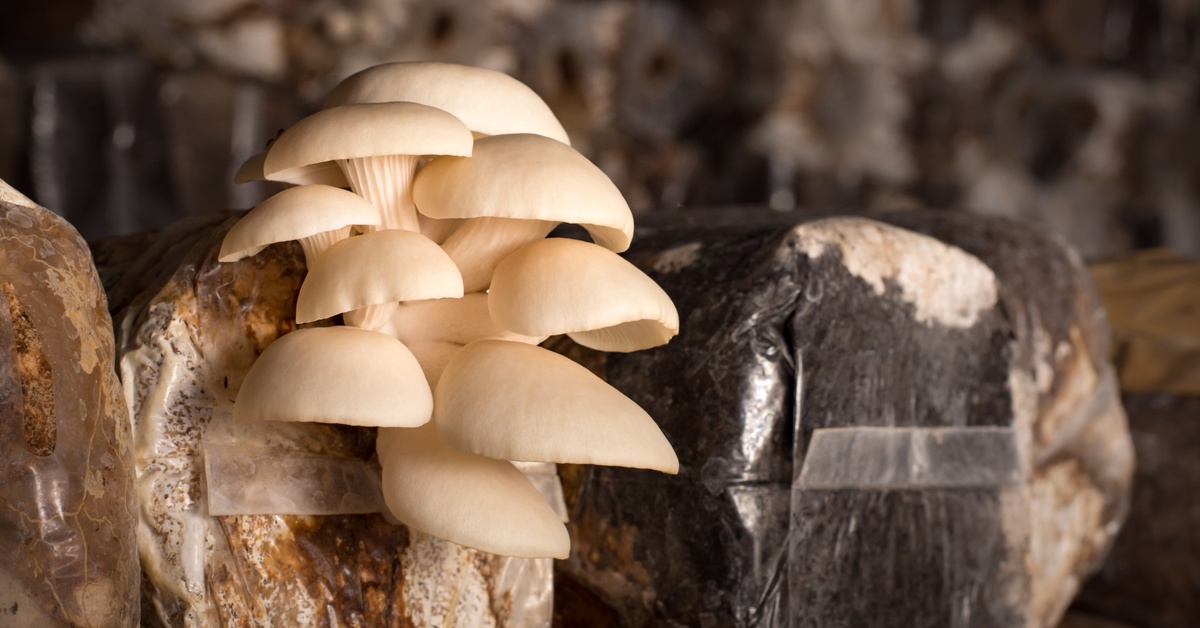
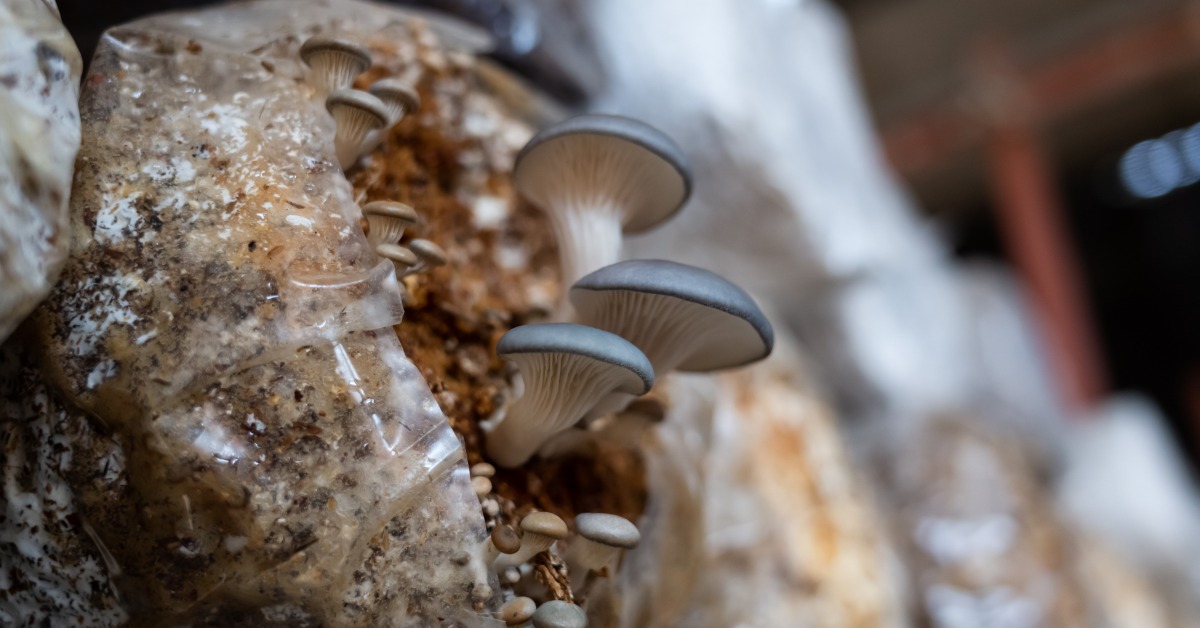
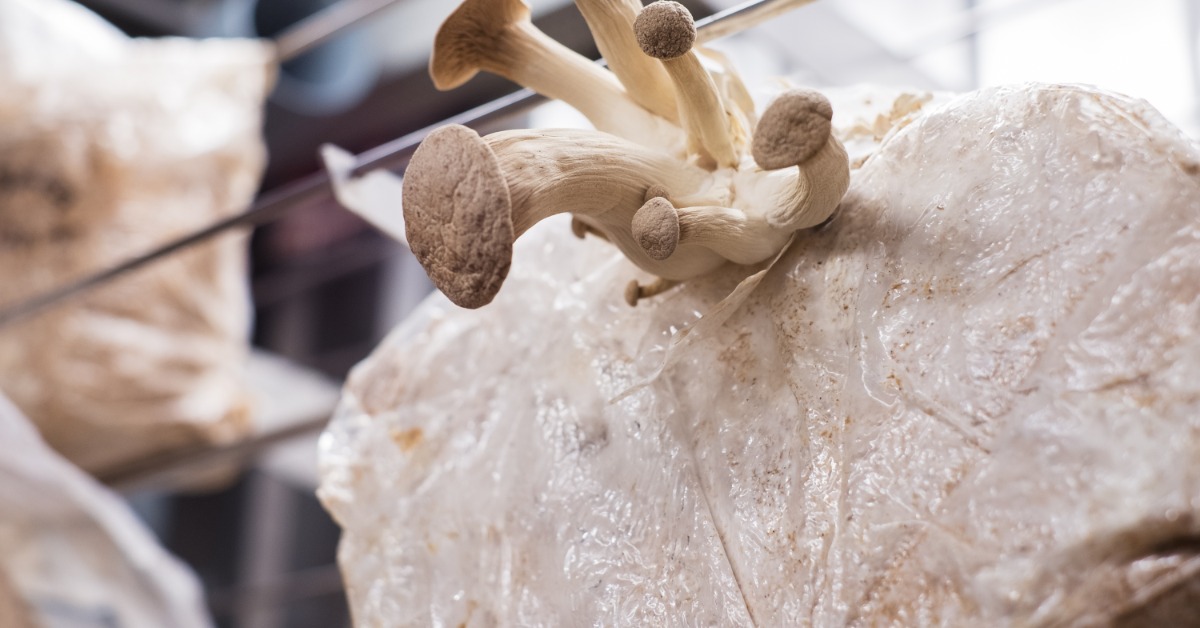
For a long time, button mushrooms dominated the commercial story, but specialty mushrooms steadily expanded. Growers brought species like oysters and shiitake indoors using pasteurized substrates, sawdust blocks, and bag systems. These methods helped growers produce specialty crops in smaller footprints with tighter control. Today, many indoor growers treat bags and blocks as their basic building units.
Bag systems became popular because they keep projects contained and easier to manage. Many bags include an injection port for inoculation and a fine-filter patch for air exchange, which helps reduce exposure during colonization. Those features do not replace clean technique, but they make clean technique easier to repeat.
Using the history of mushroom farming and cultivation as a practical guide keeps beginners from chasing gimmicks. Start with clean inputs, keep handling calm during inoculation, and avoid constant disturbance during colonization. If you keep the process simple and repeatable, you follow the same path growers have refined for hundreds of years.
Need mushroom cultivation supplies? Booming Acres has you covered with beginner-friendly gear that keeps the process clean, contained, and repeatable. If the biggest lessons from history point to anything, it’s this: follow a steady, clean routine, and let the environment do the work. Stock up on the essentials that support smoother inoculations and more predictable fruiting at home. Shop Booming Acres today and set yourself up for a run that feels a lot less like luck.