Categories :
Share This :
FREE SHIPPING ON ORDERS OVER $150
FAST SHIPPING WITH EVERY ORDER
FREE SHIPPING ON ORDERS OVER $150
FAST SHIPPING WITH EVERY ORDER

Cultivating plants and mushrooms at home has become a popular hobby for green thumbs and food enthusiasts alike. Grow bags have emerged as a convenient and effective method to nurture various species, particularly mushrooms. If you’re intrigued by the idea of starting your own indoor growing adventure, this comprehensive guide will walk you through everything you need to know about all-in-one mushroom grow bag instructions and the benefits of using grow bags.
Grow bags are versatile containers designed for cultivating plants or fungi. Made from breathable fabrics or thick plastics, they hold growing media, such as soil or substrate. Available in various sizes, they’re perfect for growing a wide range of species—from vegetables and herbs to gourmet mushrooms—making them ideal for indoor and outdoor setups.
Grow bags offer several advantages over traditional pots and planters, such as improved airflow. The breathable fabric enhances air circulation to the root zone, promoting healthy root growth and preventing root circling. They also help regulate temperature, keeping roots cooler in hot weather and insulating them in colder periods. Suitable for a variety of plants, including mushrooms, grow bags can be used indoors or outdoors. Their portability makes them perfect for those with limited space or who like to rearrange their setup. Additionally, their excellent drainage prevents waterlogging, a key factor in healthy plant growth.
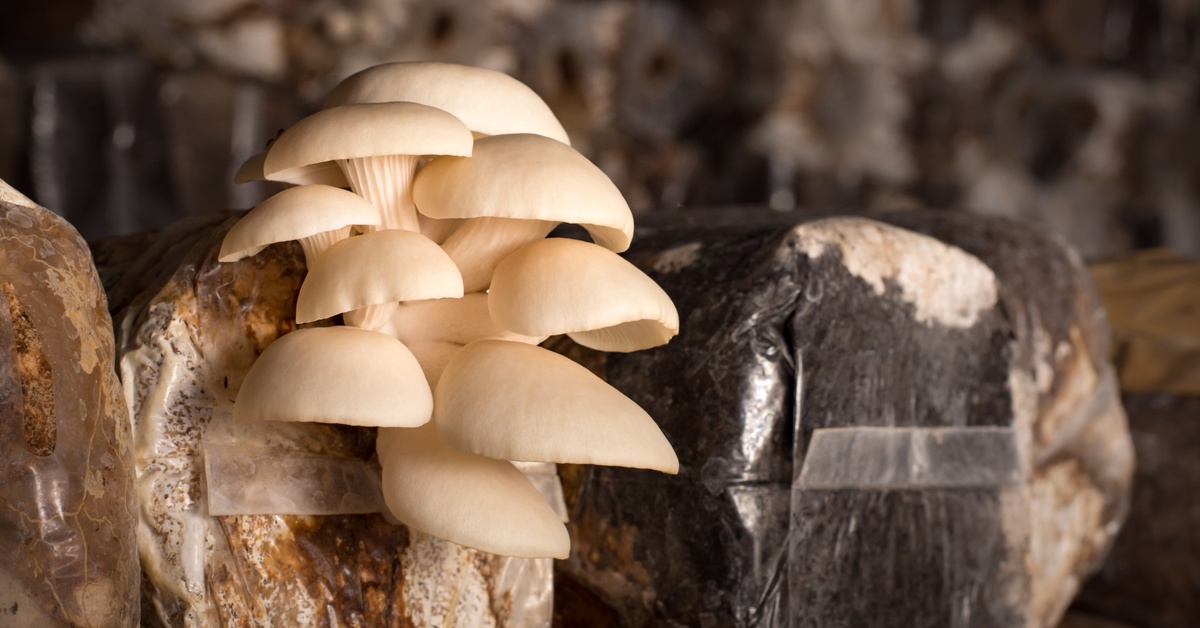
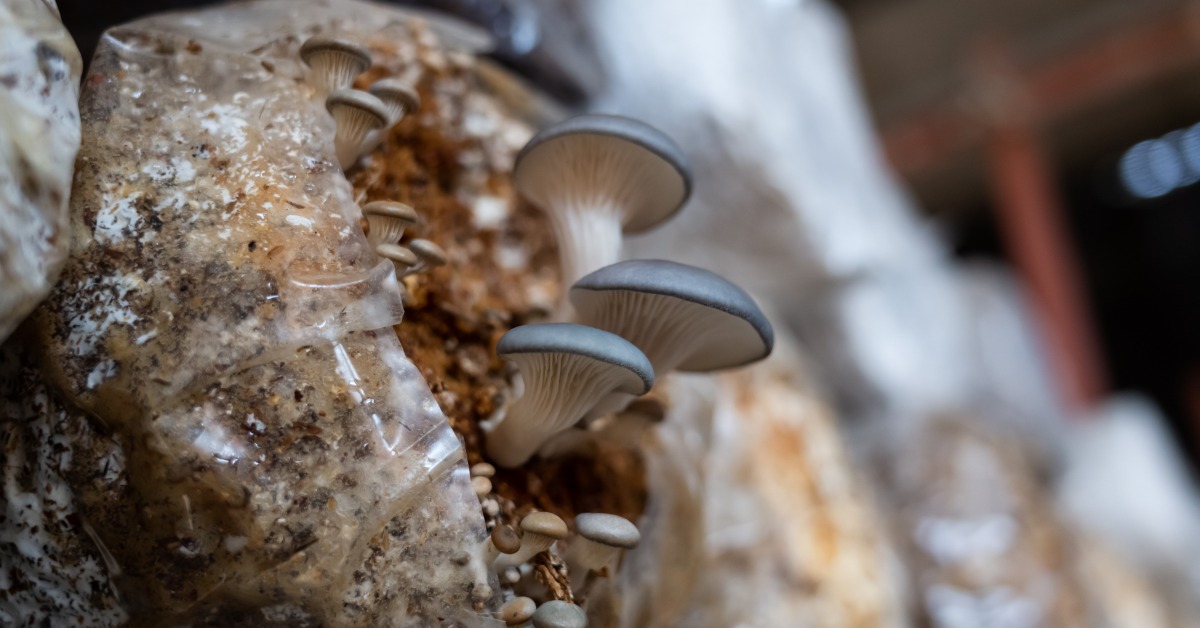
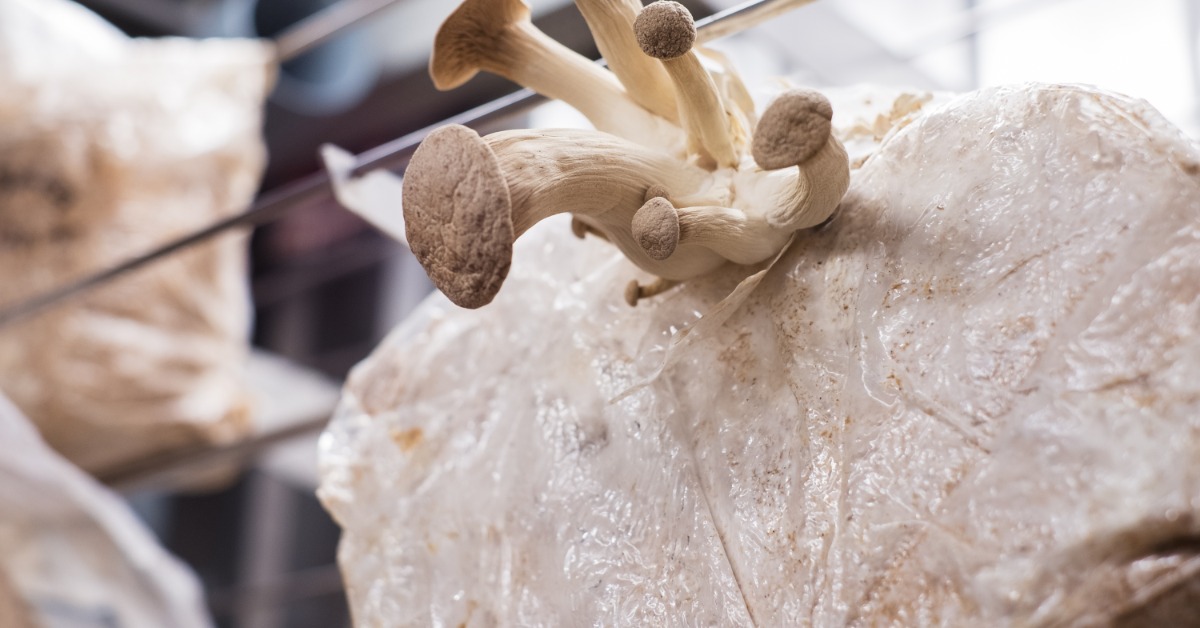
Mushrooms are a great choice for indoor growing, and mushroom kits make the process even simpler. These kits often come with all-in-one mushroom grow bags containing substrate inoculated with mushroom spores or mycelium. All you need to do is provide the right conditions for the mushrooms to thrive.
To get started with your mushroom kit, follow these general steps:
Maintain consistent temperature and humidity levels to ensure a successful mushroom crop. Always wash your hands before handling your grow bag, and minimize direct contact with the substrate to avoid contamination. Document any changes to your growing setup to identify the best conditions for your mushrooms.
Grow bags can support a variety of mushrooms, each with unique growing requirements. Oyster mushrooms are easy to grow and delicious, making them a favorite among beginners. Shiitake mushrooms require more patience but offer a rich, savory taste. Lion’s Mane, a unique mushroom with a texture similar to seafood when cooked, is also visually striking.
Proper care ensures maximum yield from your mushroom grow bag. Keep a close eye on the grow bag for proper development. Adjust temperature, humidity, or lighting if needed. Harvest mushrooms carefully to avoid damaging the mycelium. Some mushrooms can be twisted off, while others may need to be cut with a sharp knife. After harvesting, continue misting and providing fresh air to encourage future flushes.
While growing mushrooms in a grow bag is straightforward, you may encounter challenges. If you notice mold or a foul smell, your grow bag may be contaminated. To prevent this, always work in a clean area and handle the bag with care. Mushrooms may stop growing if they need more humidity or fresh air, so adjust your misting and ventilation to resolve this.
Grow bags are an excellent tool for indoor growing, offering flexibility, ease of use, and numerous benefits for both plant and mushroom cultivation. Whether you’re a seasoned grower or a beginner, following all-in-one mushroom grow bag instructions can lead to a bountiful harvest. With patience and attention to detail, you can enjoy the fruits of your labor—and perhaps develop a lifelong passion for indoor gardening. Success with grow bags comes from understanding the needs of your plants or mushrooms and being willing to make adjustments as you learn. Embrace the process, and happy growing!