Categories :
Share This :
FREE SHIPPING ON ORDERS OVER $150
FAST SHIPPING WITH EVERY ORDER
FREE SHIPPING ON ORDERS OVER $150
FAST SHIPPING WITH EVERY ORDER

Tomentose
Our first term for this article is tomentose. Tomentose growth is kind of the opposite of
rhizomorphic growth, which we covered in our PREVIOUS ARTICLE. Tomentose
growth presents as mycelium growing in a radial pattern, with more, thinner tendrils of
growth, appearing somewhat fuzzy as it grows. Tomentose growth can be slower
because it is expanding into all available areas and consuming the nutrients available.
This consumption of available material will help the growth to be stronger in the long
run, though it may start off slower.
Compared to rhizomorphic growth, more material is being consumed, and the mycelium
is more spread out, giving contaminants less area to become established as your
project grows. This growth also will be stronger than rhizomorphic growth, as it’s
consuming all available resources and putting less energy into fast moving growth, the
tomentose growth will have stronger growing capacity, which helps it to resist
contaminants. Tomentose growth may not appear as pretty to some compared to
rhizomorphic growth, but it does very well, most mushrooms that are less domesticated
will typically have more tomentose growth, due to their competition in the wild fighting
with other organisms for available nutrition and needing to have more energy for
defenses and development as they grow.
Universities
There are now many universities that have mycology programs! We’ve personally
provided classes and resources for University of Madison, University of Illinois Chicago,
University of Kentucky, and several others. Degrees in mycology are becoming
increasingly more in demand, and are a driving factor of acquiring a job in the mycology
industry. As more studies are done on mushrooms and the benefits of them ranging
from being used for building materials, aiding with health, environmental clean up, and
other applications, more and more mycologists are going to be able to find work and the
best way to set yourself apart from others when applying is going to be having a degree
in mycology. Growing from home is the perfect way to get a hands on learning
experience before deciding if mycology is a career you want to pursue, and can give
you the fundamental grounds for beginning to understand the classwork that you’ll be
performing in a university.
Verticillium (dry bubble)
This entry is a fun one! Verticillium is a fungal disease that attacks plants and fungi, and
is also a fungi itself. In mycology, verticillium is typically known as dry bubble, but it can
also present as wet bubble, though that may be a different disease entirely. One of the
first signs of verticillium is the growth of blobs of mycelium, usually forming in abnormal
shapes with defined edges. It’s important to note that these blobs are mycelium, they
will peel apart similar to lions mane mushrooms, or pulled pork if you’ve never grown
lions mane. The tissue growing is not a fruiting body, so it’s best not to confuse it with
what are known as ‘dino eggs’ which are round fruiting bodies. The verticillium growth
will continue through the life of the mycelium, and can form in various parts of the
substrate. Removal of the growths will not resolve the issue and can actually risk
spreading the disease.
With verticillium being a parasite, it is a major cause of concern if it appears, especially
for commercial growers. Verticillium is spread by physical contact, if growths begin
appearing, or even before growths appear, and the mycelium is handled and the handler does not adequately wash their hands between projects, the verticillium may
spread. This can cause huge issues for large growing operations because the spread of
verticillium will impact yield, speed of growth, and the health of the grow. Verticillium is a
parasite, it does not come from the air or exist on grains or substrate that has not come
in contact with the disease, and it is easily sterilized with heat or chemical products.
Most home growers will encounter verticillium through genetics that are contaminated,
they will cultivate a spore solution or liquid culture that has been sold by a vendor with
an infection and then risk infecting their own projects in turn. It’s important to wash your
hands between projects to ensure that if a verticillium appears that it does not spread.
When commercial operations encounter verticillium they must do an entire reset of their
grow, all materials must be disposed and all surfaces must either be replaced or
chemically treated. For home growers, simply disposing of any infected projects and
cleaning where these projects were is enough to stop the spread. It’s also a good idea
to let any vendors selling contaminated cultures that they have an infection, with
verticillium only spreading through direct contact and genetic material, if a grower is not
visiting or working on other grows and they encounter verticillium the only source will be
from the genetic material they purchased.
Wet bubble
Wet bubble is another version of verticillium which we covered on our previous entry.
Everything about the verticillium applies to wet bubble as it is the same disease, it just
presents slightly different. With wet bubble, the verticillium growths will not be dry, they
will ooze a liquid, which also contains the verticillium disease, making it easier for the
disease to spread. This ooze can be clear, yellow, or amber in color.
Just as with the previous entry for verticillium, any encounters with verticillium should be
treated seriously and immediately. Any signs of growths that are secreting any liquid
should be immediately discarded, wet bubble spreads very easily through the liquid it
secretes, handling mushrooms that are growing on a substrate infected with verticillium
will also spread the disease to any other projects that are growing if your hands are not
thoroughly washed in between the projects. The good news is that verticillium typically
does not effect humans, though it can cause issues with infection in some individuals,
so it’s always best to be safe and dispose of any projects that may be infected with any
form of verticillium. It’s also important to contact the genetics vendor you purchased
from if you find either the wet or dry forms of verticillium, as that will be the only way that
an average home grower will encounter the disease.
Xylophilous
Xylophilous fungi is fungi that eats wood. We better know xylophilous as ‘wood loving’
mushrooms, but the technical term is xylophilous. Wood loving mushroom species grow
on wood substrates, as the name describes, these mushrooms break down the wood and process the ligning into carbohydrates which these fungi use for energy and fruit
production. Xylophilous mushrooms can still begin their life cycle on grains, and some
don’t even necessarily require wood to grow or produce fruits, however they will
produce much better when given the nutrition they require. We sell substrates that are
specifically for wood loving mushroom species, we offer our HARDWOOD SAWDUST
substrate, as well as MASTERS MIX substrate which needs to be used in a sterile
environment but provides extra nutrition for these species allowing them to produce
higher yields of mushrooms. If you’re not looking for substrate, we also offer our
GOURMET WOOD LOVING ALL IN ONE if you’re looking for a quick project for your
favorite wood loving species!
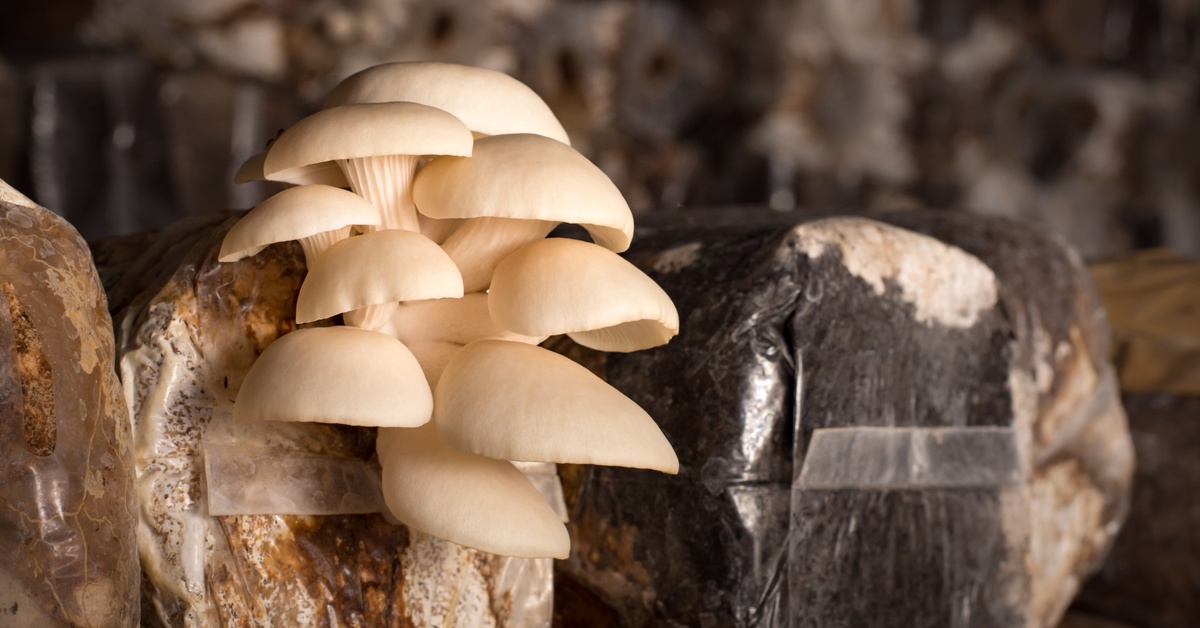
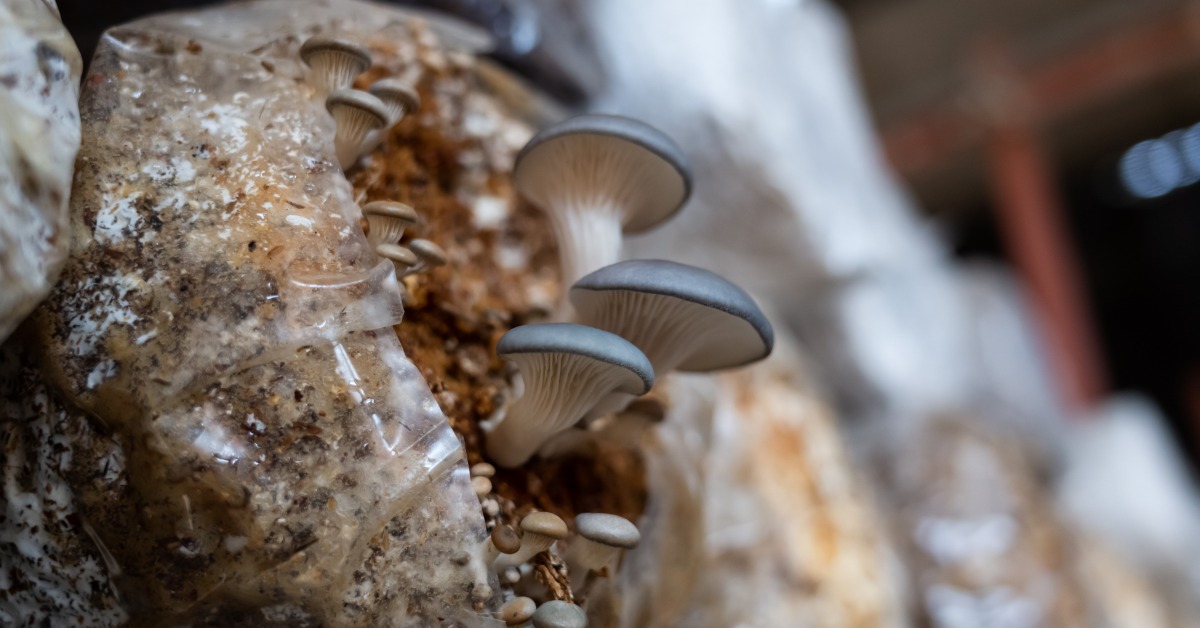
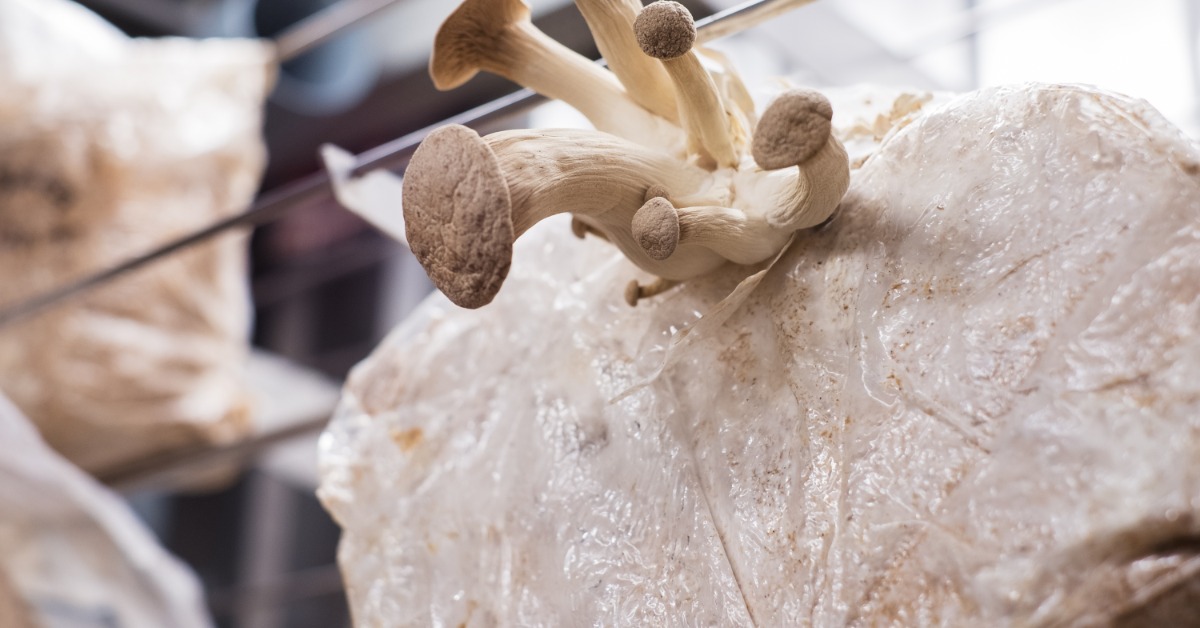
A lot of wood loving mushrooms also happen to be gourmet mushrooms. You may
recognize Oysters, Lions Mane, Chestnuts, Enoki, Pioppinos, and Turkey Tail
mushrooms, all of which are wood loving species. These mushrooms will grow on living
or dead trees (usually dead) and you’ll usually find them in forests especially during
rainy seasons. We also offer some of these mushroom genetics as LIQUID CULTURE
for growers looking to grow these varieties at home!
Yeast
Yeast is an interesting thing that a lot of home mycologists don’t think about. Yeast itself
is a fungi, though it’s very different than what a lot of mycologists think of when they
think about mushrooms. It’s part of the fungi kingdom, however it does not grow the
usual mycelium network that we think of when we’re working on our home projects.
Instead, yeast tends to grow as single cells, when a home project gets infected with
yeast it’ll usually appear as a yellow or brownish powder on grains or substrate, and it
also tends to grow more in liquid than on dryer surfaces. When a grower encounters
yeast, they usually will notice it from the smell associated with it. If you think you have a
yeast contamination going on, your grain or substrate will smell like a sweet alcohol,
similar to wine that’s just been opened. This is especially true when you have a liquid
culture that’s been contaminated!
Avoiding yeast when growing is very important, it can be cumbersome to deal with and
usually once yeast has impacted a project it’s going to be impossible to get rid of it
because yeast thrives in open air and low air environments. Once you smell that sweet
boozy smell, it’s already too late, you have yeast growing, breaking down the nutrients
available and producing alcohol as a biproduct. This alcohol biproduct is the waste that
yeast makes as it breaks down its food sources. If you think about it, homebrewers are
actually cultivating a fungi, making them mycologists just as much as brewers, though I
wouldn’t tell them that, they probably don’t want to be told they’re just growing fungus
when they’re brewing! If you notice a project becoming contaminated with yeast, it’s best to start fresh, discard the project and give everything a thorough cleaning. While
yeast doesn’t typically cause harm to humans, there can be some health impacts from
having large amounts of yeast grow uncontrolled, and it will also cause issues with your
project, either causing your mycelium to stop growing, dying off, or not producing fruits.
Yeast is commonly found on human skin and in the air around us, so it’s best practice
when working with your mushroom projects to make sure your hands and arms are
thoroughly cleaned, and that the air in the area you’re working in is clean and filtered. If
you get yeast contamination, just cleaning your equipment with soapy water is enough
to treat the area and should prevent future occurrences. If you’re frequently
encountering yeast in your projects, you may want to check the air in the area you’re
working, or check with a doctor if you have an undiagnosed skin condition allowing
yeast to continue growing even if you’re thoroughly washing yourself.
Z Strain
The only ‘term’ I could find for mycology that works for our ABC’s is ‘Z Strain’ which is a
variety of mushroom that has a bit of a history lesson to it, one that’s still valid to this
day! Z Strain is a variety of psilocybe cubensis mushroom that is a particular vendor’s
renaming of a classing mushroom variety known as ‘Golden Teacher’. This vendor, over
20 years ago, decided to rename one of the cultures he was working with, after doing
little to no genetic working on this variety in an attempt to garner more attention and
sales. This is still a practice that happens today, smaller vendors will come up with fancy
names to try to take a variety that they’re selling and distinguish it from other sellers,
claiming it to have different traits or different capabilities compared to the actual variety
it is, then they rely on people asking about it on online forums to work up some attention
for them. It’s important when looking at what to grow to only purchase varieties that
come from reliable sources, buying things based off names, or specifically because
they’re rare or only offered from one seller is a surefire way to spend extra money for no
reason. The only people who should be coming up with their own names are breeders,
or cultivators who are isolating specific clone lineages and taking the clone lineage back
to spore and then sequestering clones from those spore grows and repeating the
process, which is very time consuming. If you see a vendor selling a new name that you
can’t find anywhere else, and they’re not known for their breeding work, stay clear!