Categories :
Share This :
FREE SHIPPING ON ORDERS OVER $150
FAST SHIPPING WITH EVERY ORDER
FREE SHIPPING ON ORDERS OVER $150
FAST SHIPPING WITH EVERY ORDER

This entry for the ABC’s of Mycology we’ll be covering some fun topics! First up with be Nootropics, then we’ll dive into information about two different species of mushrooms, Oysters, and Pioppinos! Let’s get right to it!
Nootropics
Nootropics are the hot new things for mushrooms these days, typically when discussing nootropic mushrooms you’ll hear about the big 3, lions mane, reishi, and cordyceps. Nootropic mushrooms are mushrooms that are being researched and shown to provide mental boosts and improve mental cognition. The pathways for these new supplements and extracts are still being explored and researched, but the evidence is becoming more and more clear that certain mushrooms have a measurable impact on our mental performance.
There’s a few ways to ingest nootropic mushrooms, the main ones being supplements and extracts. At Booming Acres we make our own lions mane and reishi extracts, leaving them in the liquid they are extracted from making them tinctures, which can then be added to your favorite beverage (I have some in my coffee every morning!). The benefits of tinctures include easy ingestion, easy dosing, and ease of use. With our tinctures, you simply put a dropper or two of liquid into your beverage then drink it like normal! No choking down pills or having to grind anything up and put it into capsules. The extraction process that our extracts are made with ensures that the alkaloids maintain their efficacy, and are shelf stable for many weeks or months. Another option for ingesting nootropics is taking capsules with dried extracted material, or powdered mushrooms in them. This option makes it easy to ingest for people who don’t mind pills and want to be able to travel without bringing extra liquids. The shelf stability of powdered mushrooms can be slightly less than liquid extracts, but these options are still viable for several weeks or months!
When taking nootropics it’s important to first consult with your doctor if you’re on any medications to make sure there’s no side effects you might experience. Typically mushroom nootropics are going to be active in your neural pathways, lions mane is being researched for it’s effects on rebuilding nerves and new neural networks in your brain, while also giving extra energy in day to day life, while cordyceps may help improve learning and memory function. There’s also research being done that suggests that lions mane may help with eyesight!
While there is still a lot of research and understanding to be done regarding mushroom nootropics, it’s an exciting field that could benefit us all! These natural medicines are available to everyone, anyone can grow their own medicines, and if the research is true, everyone could be improving their daily life by taking these readily available nootropics!
Oysters
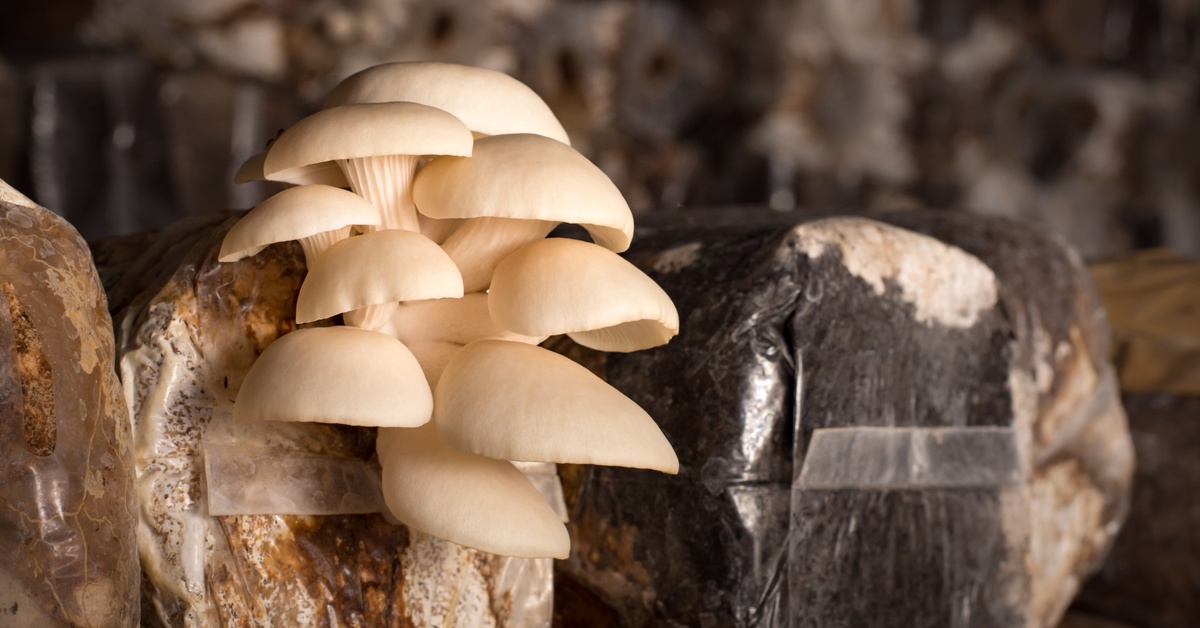
Oyster mushrooms are a species of mushrooms; Pleurotus ostreatus. These mushrooms are found around the world, with different varieties growing everywhere around the planet! Oyster mushrooms grow from wood, decomposing the wood as it grows, utilizing the wood for it’s nutrition. Oysters are typically used for culinary purposes, though some are being researched for medicinal properties.
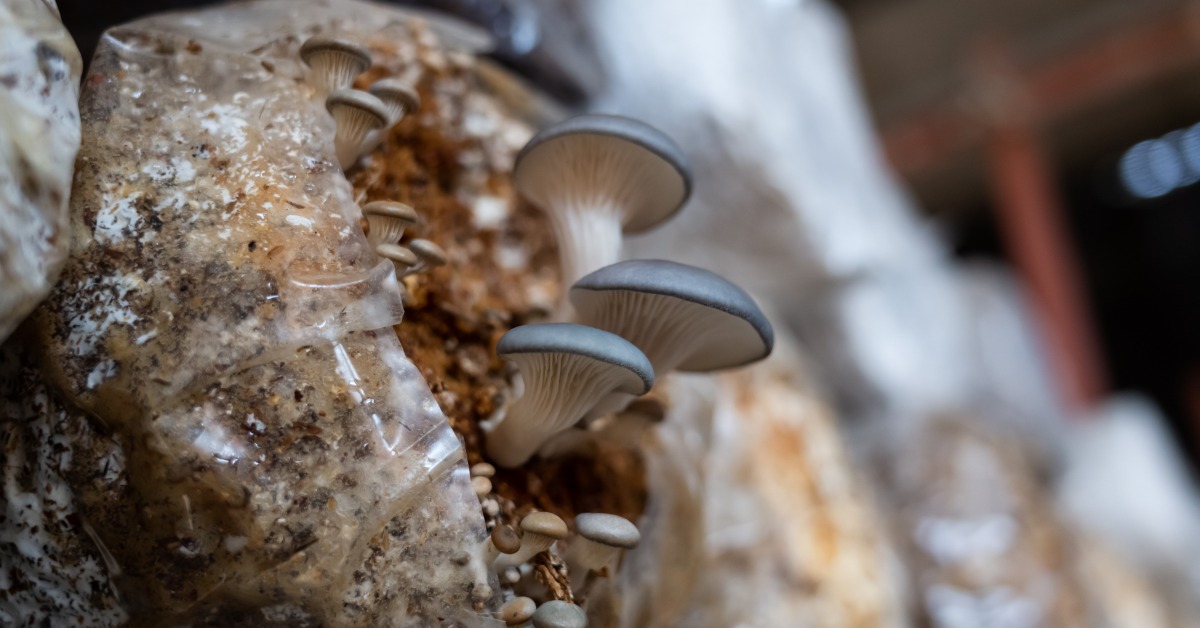
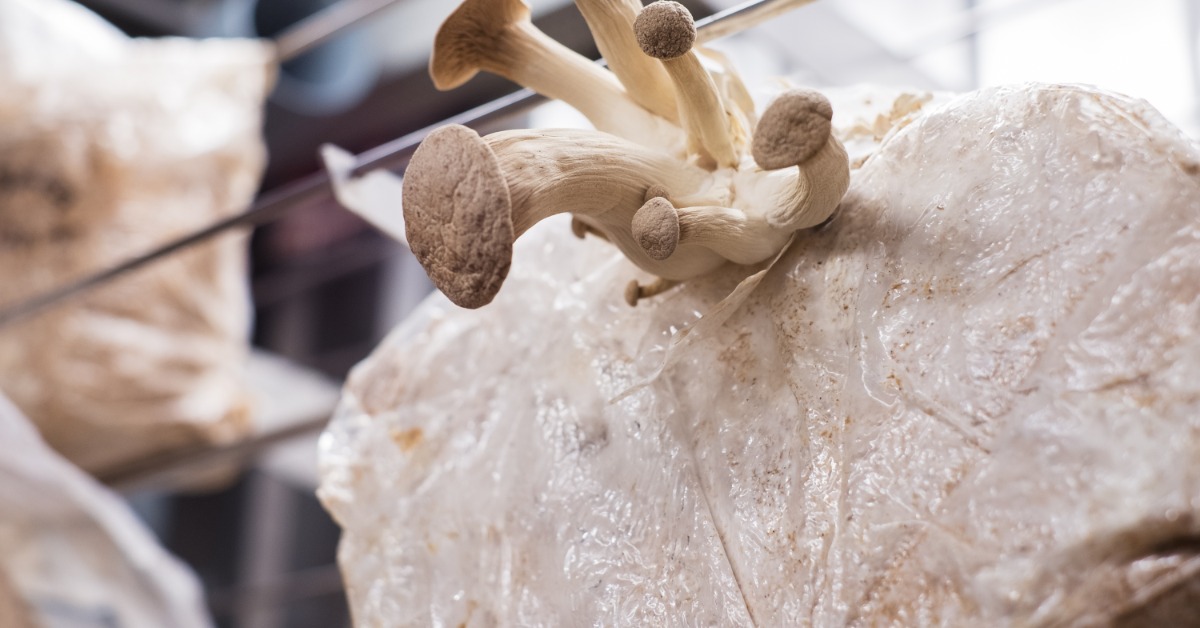
Here at Booming Acres we grow a few different types of oyster mushrooms, including Pink Oysters, Golden Oysters, Blue Oysters, and King Oysters. These are all different varieties of oysters, with different appearances, uses, and traits. We grow these mushrooms for their culinary uses, and offer the genetics that we grow with for sale for home cultivation. Oysters have been grown indoors for decades, they are fairly easy to grow and a great mushroom to begin your growing journey with! These mushrooms make great substitutes for the portabellas that you’ll find in grocery stores.
Oyster mushrooms have also been found to have many uses outside of the culinary world! Some varieties of oyster mushrooms are able to decompose diesel oil, breaking down the oil into nontoxic compounds, and making disposal of these compounds easier to handle for clean ups. This species has also been found to be able to decompose certain types of plastic, again breaking down the plastic into manageable compounds that are nontoxic, preventing plastic waste from entering landfills and the environment.
Oysters are a fascinating and beautiful mushroom, with many uses and many varieties to choose from. If you’ve walked through the woods on a summer or fall day after some rain, it’s possible you’ve seen some kind of oyster growing! It’s important to note that there are some mushrooms that do look like oysters that are toxic, so it’s best to avoid foraging for mushrooms unless you’re very familiar with the ‘look alike’ mushrooms that may appear alongside oysters. Always make sure you’re 100% certain that a mushroom you’ve foraged is what you are identifying it as before considering consuming these mushrooms!
Pioppinos
Pioppino mushrooms; Cyclocybe aegerita, are also known as velvet mushrooms, or black poplar mushrooms. Again this is a gourmet mushroom, well known for it’s culinary uses, providing a nutty flavor to dishes. These mushrooms look similar to the portabella mushrooms you’ll see in stores, making them an easy substitute for most dishes, providing more flavor and a better culinary experience than using plain portabellas.
Pioppinos along with oysters and other wood loving mushrooms grow on wood, typically dead or dying trees. Here at Booming Acres, we grow these types of mushrooms using a wood based substrate known as ‘masters mix’, which is a hardwood substrate that is supplemented with soy hulls to provide more carbohydrates and nutrition for the mushroom mycelium to consume, providing better harvests and more mushrooms. When cultivating these mushrooms indoors, you’ll start with inoculating grain, allowing the mycelium to consume the grains, then adding that grain to sterilized wood substrate, or masters mix. Once the substrate has been colonized, you can cut a slice in the top of the substrate, giving your mycelium fresh air to breath, which will initiate the fruiting phase of growing. Pioppinos typically take 3-6 days to begin forming pins, then another 3-5 days for the fruits to mature and grow. Pioppinos have a unique appearance, growing a white stem and a light to dark brown cap with little to no veil visible, and typically growing in clusters of numerous small to medium sized mushrooms.
When cooking with Pioppino mushrooms, you can treat them as you would portobellas, these mushrooms make great additions to soups, vegetable medley, or sautéed and served on its own! The mushrooms have a great appearance on the plate, making your dishes look extra fancy while also providing exceptional flavor that will leave the eater asking what type of mushrooms they are!