Categories :
Share This :

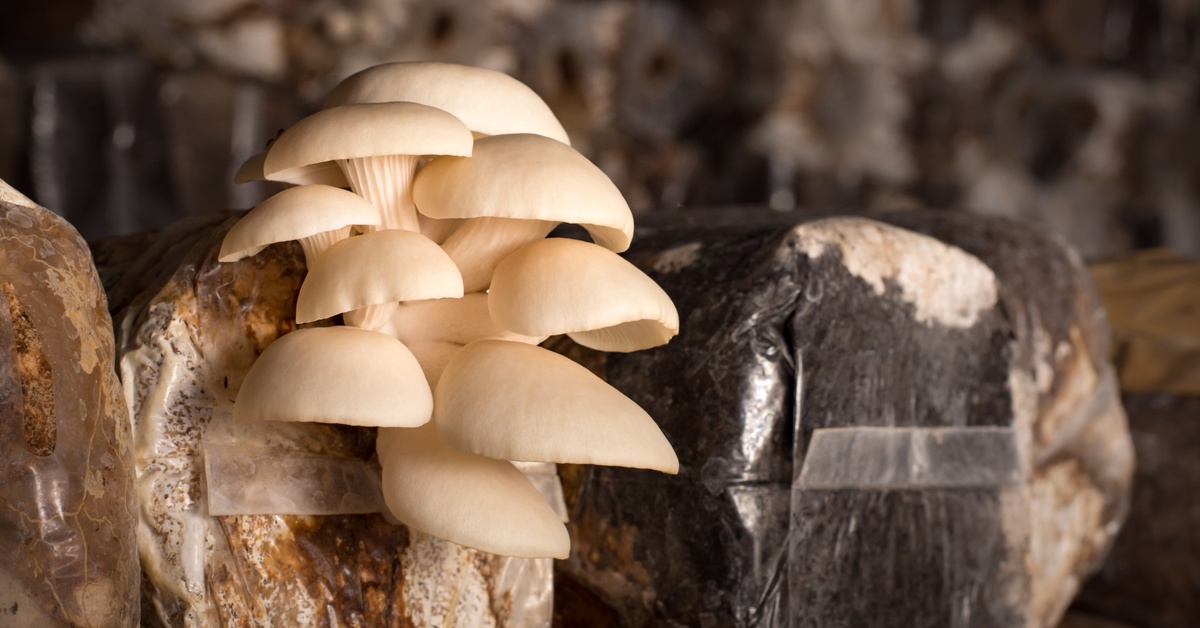
Mushroom substrate doesn’t last forever, but one slow flush doesn’t automatically mean it belongs in the compost pile. A healthy block can rest between flushes and produce again once conditions improve.
The important part is knowing the difference between a substrate that needs a little recovery time and one that has reached the end of its useful life. Replacing healthy material too soon wastes a grow. Here are the seven signs your mushroom substrate needs replacing.
Substrate gives mushroom mycelium a place to spread while providing moisture and nutrients. As the grow progresses, the mycelium consumes those available resources. Each flush takes more from the block, so later harvests often become smaller than the first.
That natural decline does not mean you should replace the substrate immediately. Many blocks can produce more than one flush when the species and growing conditions allow it. The better question is how the substrate responds after harvesting and recovery.
Before retiring a block, check a few basics:
If the substrate still responds, keep working with it. If several warning signs appear together, starting fresh usually makes more sense.
Visible contamination gives you one of the clearest reasons to retire mushroom substrate. Healthy mycelium commonly appears white or off-white, although its texture can vary by species. Green, black, or gray growth deserves much closer attention, especially when it spreads across areas that previously looked healthy.
Contamination doesn’t come from substrate being too wet or lacking enough air. Mold and bacteria have to enter the project first. Once introduced, though, they can compete aggressively with mushroom mycelium for the same material.
Color is not the only clue. Contaminated areas can also look dusty or slimy instead of behaving like healthy mycelium. If contamination has clearly spread through the substrate, do not keep trying to force another flush. Move the project away from healthy grows. Avoid opening heavily contaminated bags indoors, since doing so can spread spores around the growing area.
Healthy mushroom substrate usually smells earthy once it reaches a stage where smelling it is appropriate. A strong sour or rotten odor points elsewhere. Don’t open a sealed colonizing bag just to smell it. That adds unnecessary exposure during a stage when the bag should stay protected. Use odor as a diagnostic clue only after you’ve already opened the setup as part of the normal cultivation process.

A used substrate block changes as it ages. Some shrinkage is normal because mushrooms consume resources and water leaves the material during fruiting. What you don’t want is a block that loses so much structure that it no longer holds together or supports healthy growth.
A block that turns excessively soft can become difficult to manage. Large areas that collapse after several flushes also show that the material has changed considerably from its original condition. At that point, another round of aggressive soaking or handling can break it down even further.
Mushrooms pull a significant amount of water from their growing material as they develop. After one or more flushes, a block can become noticeably lighter and drier. Many growers can rehydrate the material and encourage another flush.
The problem starts when the substrate stops responding to appropriate rehydration. It may dry again very quickly or fail to regain enough moisture to support new pins. At that point, the block has often lost more than water alone.
Do not retire substrate simply because it looks dry after a harvest. Dryness after fruiting is common. Follow the recommended rehydration method for the mushroom species and substrate you are using.

Later flushes often produce fewer mushrooms because the mycelium has already consumed part of the substrate’s available resources. A smaller second flush does not signal failure. It is a normal part of using the same substrate over multiple fruiting cycles.
Eventually, the harvest can drop enough that maintaining the block no longer makes sense. You may spend days managing humidity and waiting for a handful of undersized mushrooms. That is when productivity becomes part of the replacement decision.
A block often needs recovery time after producing mushrooms. New pins do not always appear immediately after harvest. Later flushes can take longer because the mycelium has already used some of the substrate’s available resources.
Give the block the recovery period recommended for your setup. Rehydrate it when the instructions call for that step. If the block stays inactive after you correct the environment and complete a proper recovery cycle, the substrate has probably reached the end of its productive life.
Check fruiting conditions before replacing an inactive block. Low humidity can stop pins from developing. A dry draft can also work against a substrate that still has something left to give. If conditions look right and the block still does nothing after a reasonable recovery period, start planning the next grow.
Mushroom substrate provides moisture and organic material, so exposed blocks can attract unwanted visitors. Flies, mites, or other visible pests tell you the growing environment has been compromised. Once an infestation establishes itself inside a heavily used block, keeping that substrate around can put nearby grows at risk.
Separate the affected project from clean materials. Do not place it beside new substrate while you decide what to do. A badly infested block has little value compared with the risk of allowing pests to spread through the growing area.
Knowing when to stop is part of mushroom cultivation. Once you start recognizing the signs your mushroom substrate needs replacing, the decision becomes easier. Look at how the substrate responds, not its age alone. A block that recovers and fruits still has work to do. A block that smells off or shows signs of contamination has reached the point where a fresh start makes more sense.
When an old block stops responding, a fresh start usually makes more sense than forcing another flush. Booming Acres offers sterilized substrates for mushrooms that give mycelium clean material to colonize from the beginning. Instead of spending more time on substrate that has dried out or reached the end of its productive cycle, move into the next grow with material prepared for the job. Shop Booming Acres today!