Categories :
Share This :

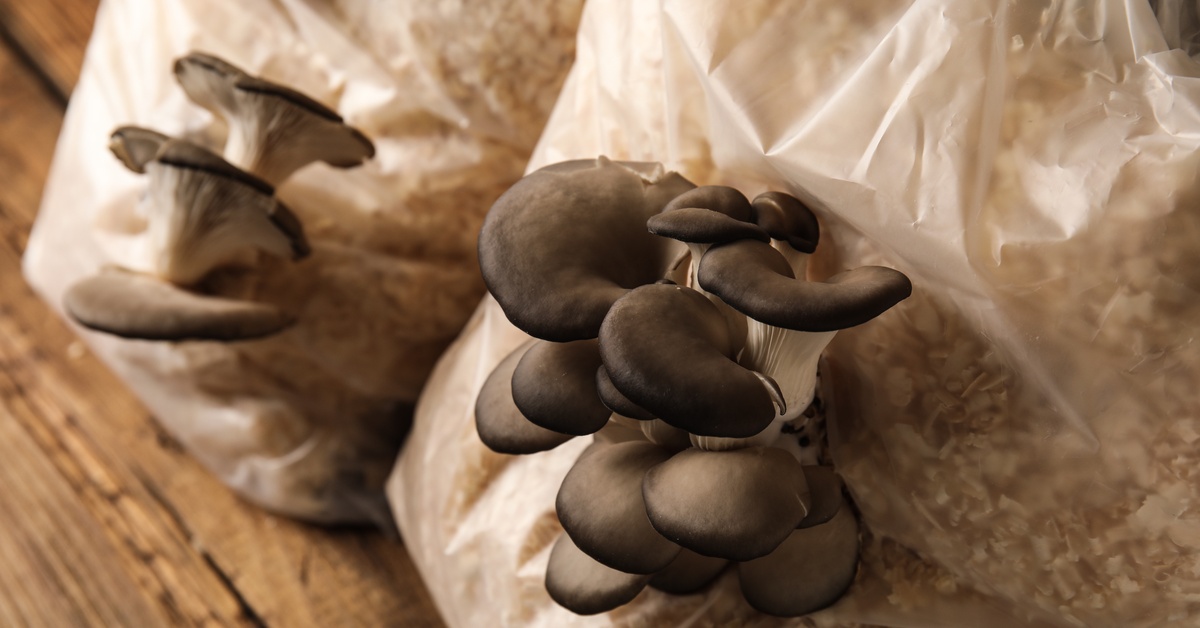
Contamination is a major reason mushroom growing can fail, often showing up just when things seem to be going well. A bag looks good, mycelium spreads, then suddenly a patch looks strange, the smell changes, or growth stops. When contamination happens, it’s best to see it as a checklist issue, not bad luck. Keep reading, and we will break down the seven common causes of contamination in mushroom growing.
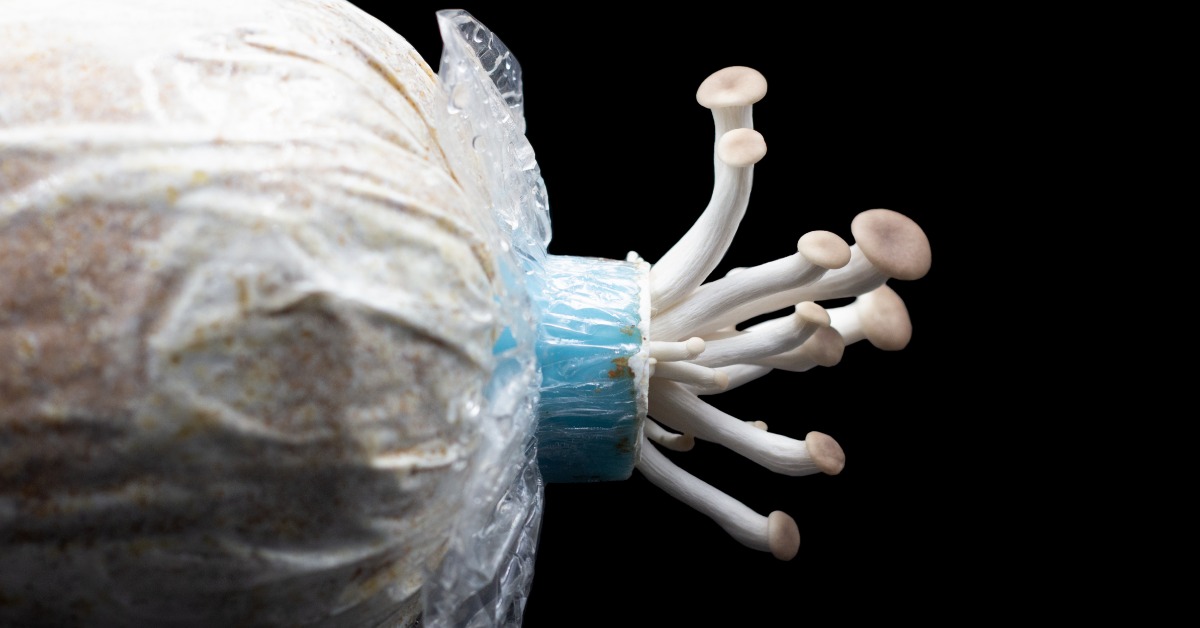
Grow bags make indoor growing easier by keeping things mostly sealed, but they aren’t foolproof. Spores and bacteria are everywhere: in the air, on hands, and on surfaces we touch every day.
A sterilized bag starts out clean, but once you inoculate or handle it, keeping it clean depends on good technique. Contamination usually occurs early but only becomes apparent later, after the unwanted organisms have spread.
Mycelium, mold, and bacteria all want the same thing: nutrient-rich, moist material. Grain is especially tempting because it’s full of easy-to-use nutrients. If contaminants get there first, they can grow fast and take over before the mycelium can.
All-in-one bags come sterilized and sealed, so nothing grows inside until you inoculate. Many have a filter patch for air exchange and an injection port to limit exposure during inoculation. These features help, but they don’t clean your tools or hands. If the needle isn’t sterile, the injection spot isn’t wiped, or the workspace is dusty, contaminants can sneak in and grow. Clean handling is what keeps that sterile start safe.
Contamination usually gets in through the same spots. These are the times when the nutrient-rich material is most open to germs or when rushing can let microbes slip in.
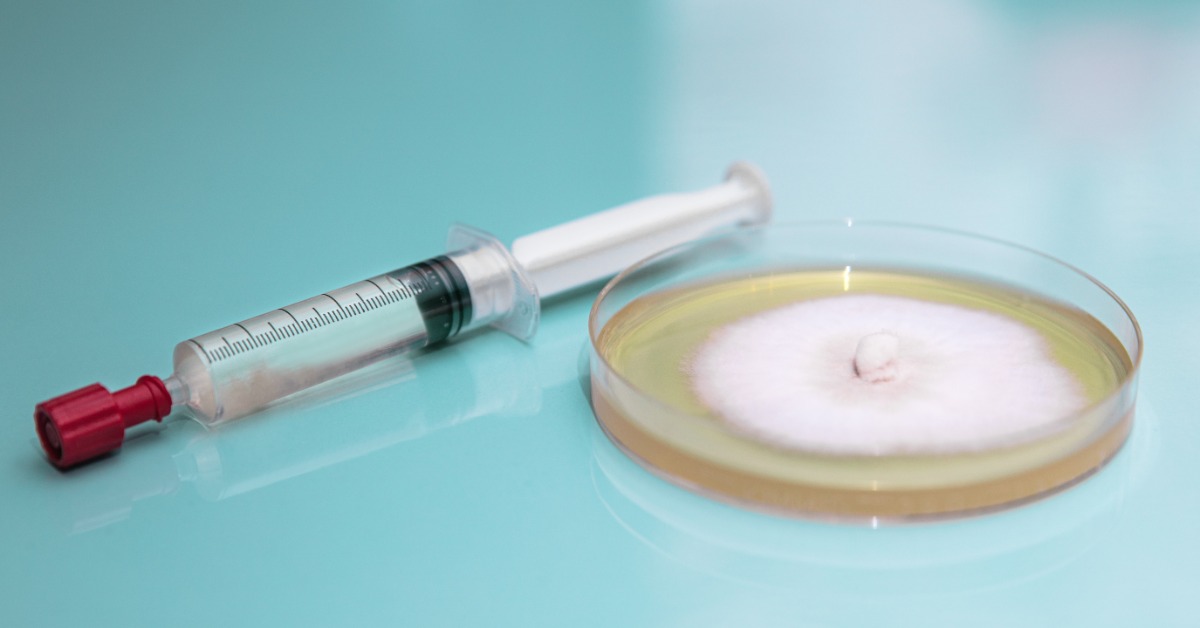
Inoculation is when the sterile environment faces its biggest test. Use a fresh sterile needle, syringe, and fully clean the injection port, not just mostly clean. Wipe the injection area with isopropyl alcohol, , bleach, or an ammonia based cleaner, keep the needle sterile until you use it, and work on a cleaned surface. Rushing is the real problem here! A quick, sloppy inoculation can greatly raise the chance of contamination.
Contamination usually doesn’t come from visible dirt. It comes from invisible spores on phones, sleeves, countertops, or hands that were washed but then touched other things. A good routine means washing hands, sanitizing, and keeping supplies close so you don’t have to reach around. It also helps to keep the work area calm and still. Less movement means less dust and fewer stray microbes landing on your grow kit.
Grow bags are meant to be left alone for long periods. Constant squeezing, moving, or “checking progress” can disrupt moisture levels, compact the substrate, and stress the growing mycelium. Stress slows growth, which may also cause the mycelium to stop growing.
Even when inoculation is clean, certain indoor conditions can still lead to contamination. The most reliable indoor grows avoid extreme temperatures.
Bags placed near heaters, in direct sunlight, or in hot rooms can encourage bacterial growth. Too much heat also stresses mycelium, slowing its growth and making it more susceptible to contaminants. A steady, room-temperature spot away from direct sun is usually the safest place for indoor bags.
Of course if no contaminants are introduced to the bag they won’t grow, but extreme temperatures can cause bags to dry out or stress mycelium both of which can cause project failures.
If you think contamination is happening, stay calm and take a close look. Catching it early can help protect other mushrooms nearby.
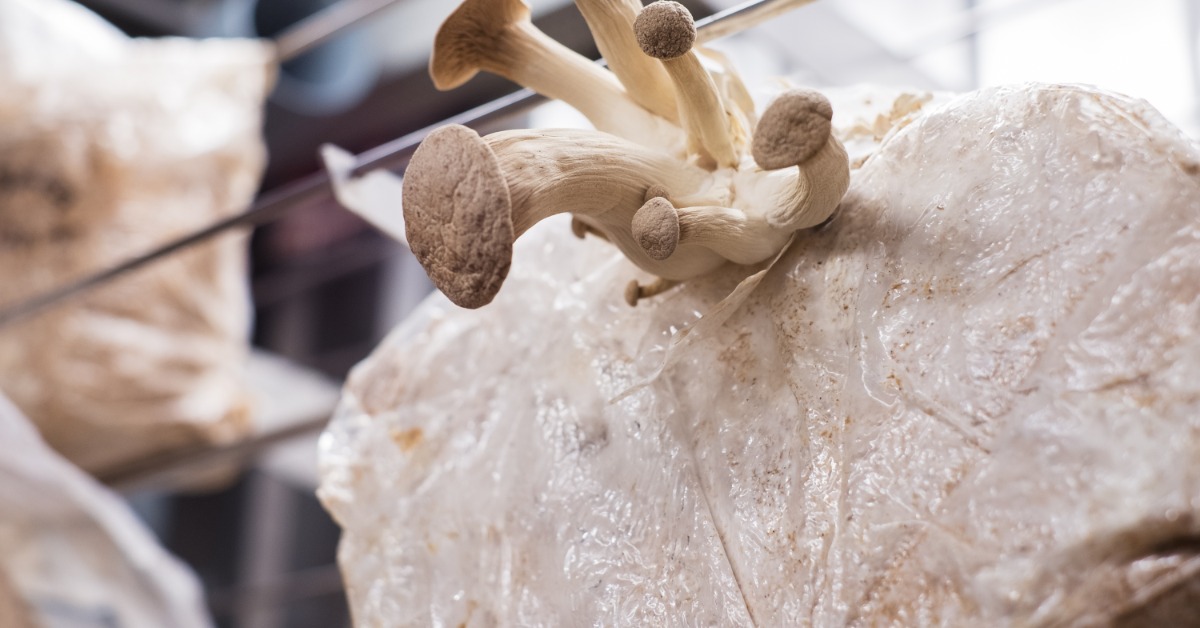
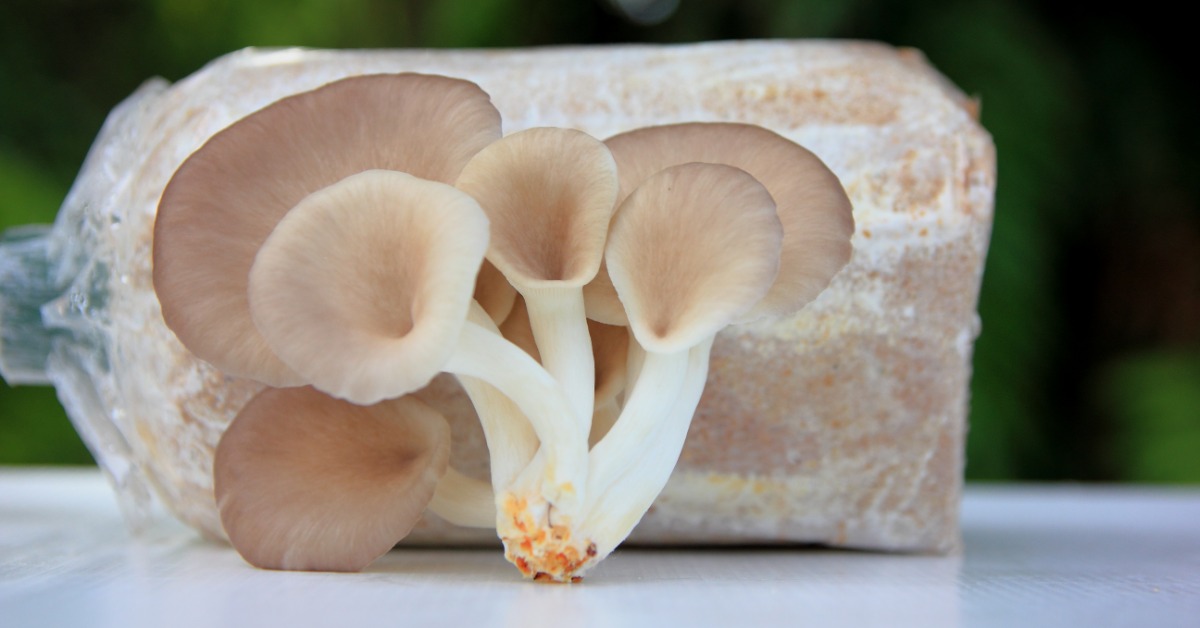
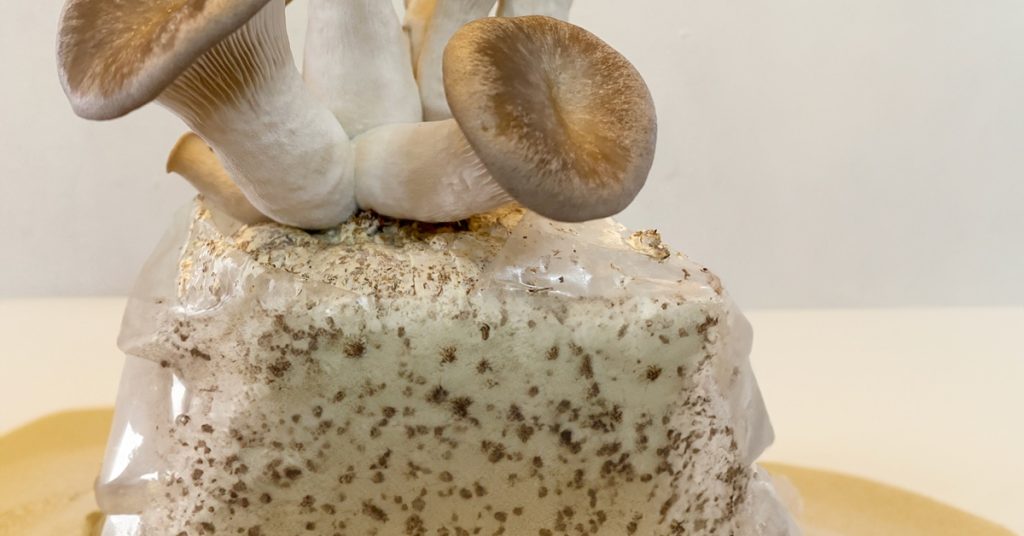
Healthy mycelium is usually bright white and grows steadily. Contaminants often show up as green, gray, or black patches or as growth that looks dusty, slimy, or too wet. Some bags might have yellow or amber spots for various reasons. The main worry is a sudden color change, stalled growth, a strange texture, or a smell that doesn’t seem normal.
A healthy grow bag usually smells earthy or like mushrooms. Sour, sweet, rotten, or strong-smelling odors often mean bacteria are growing. If a bag smells off, move it away from the others. Don’t open it indoors to check, as that can spread spores. If you need to throw it away, seal it in another bag first to help stop spores from spreading while you remove it.
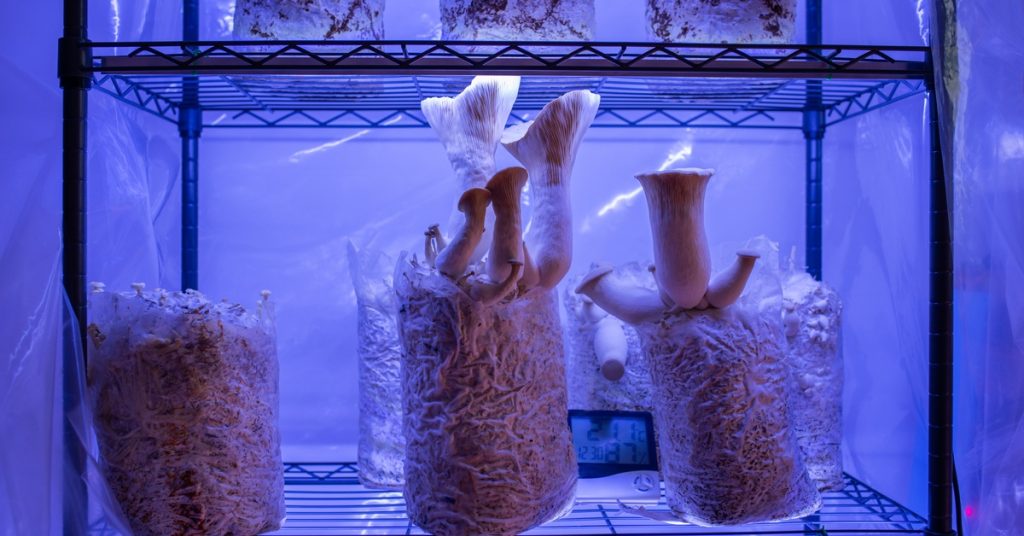
Preventing contamination is mostly about having a routine, and the steps should be simple to follow without skipping any. If a grow goes wrong, try changing one thing at a time.
Pick one clean spot, wipe it down, and keep all your tools close by. Sanitize your hands and the injection site, and keep the needle sterile until you use it. This means do not touch or wipe your needle with anything before use.
Keep your needle capped after applying it to your syringe, remove the cap and immediately use it, do not tamper with the needle before your first inoculation. Avoid working near fans or vents that blow dust around. After inoculation, put the bag in its colonization spot and leave it alone.
Keep the bag in a steady indoor spot to avoid temperature changes, drafts, and extra handling. Stay away from direct sunlight, heaters, and busy areas where the bag might get moved or bumped. Colonization goes better when the bag is left alone. A simple rule: if you don’t need to touch it, don’t.
Injection ports and filter patches help reduce exposure, so don’t poke new holes or open the bag “for air.” The filter patch lets gas exchange happen during colonization. Follow the manufacturer’s instructions for fruiting instead of improvising! Keeping the system sealed and consistent is one of the easiest ways to lower contamination risk.
A lot of uninformed growers will spread myths regarding contamination coming from material being cooked too long, not having enough air, or having too much moisture. These are all myths, and none of these things will affect contamination growing in a sterile environment.
Bacteria and mold do not come from moisture; the only thing that causes contamination is contamination. If working with sterile materials, no amount of moisture, no amount of cooking, and no lack of air will cause bacteria or mold to appear. With this in mind, if you have grains that appear moist, that’s okay, mycelium loves moisture!
As long as the only thing added to your project is mushroom mycelium or mushroom spores, those will be the only life that grows. If you add contaminant spores or bacteria, however, they will grow regardless of whether the material is too wet or too dry; contaminants will grow in a wider range of environments than mushroom mycelium. Avoid adding contaminants, and you will avoid contamination.
When a grow goes wrong, it’s usually not random. Most problems come from these seven common causes of contamination in mushroom growing. Keep things clean and steady, and let the mycelium do its work without interruptions. With a simple routine, contamination becomes less of a surprise and more something you can prevent.
Booming Acres offers sterilized mushroom substrates for your mushroom cultivation, helping the whole process feel much more consistent from the start. Starting with a clean, ready-to-use substrate takes a major headache off the table, so the process can stay focused on the basics that actually move the needle: a tidy inoculation setup, a stable spot to colonize, and minimal handling. Explore our products and begin your mushroom cultivation today!