Categories :
Share This :

Your grain and mushroom supplies only help your grow if you keep them usable until you need them. While storage might seem simple, different materials react in their own ways after sitting for days or weeks.
First, identify which items you should keep at room temperature, which ones you need to refrigerate, and which materials you should keep sealed until use. Read on to explore best practices for storing mushroom growing materials.
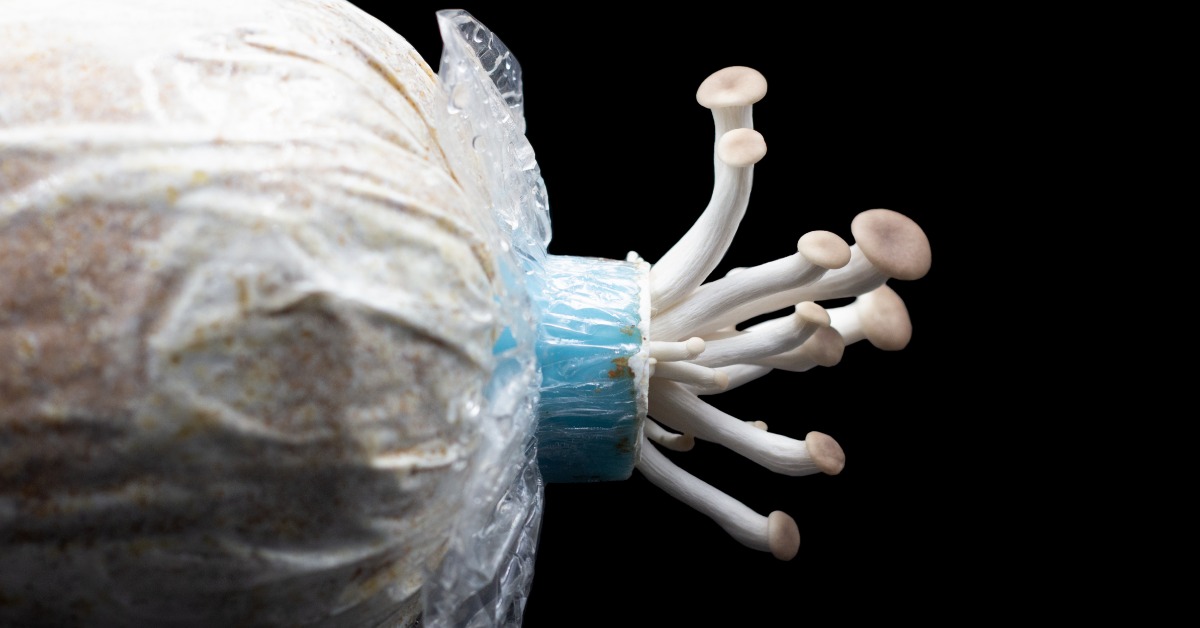
Keep uninoculated sterile grain bags in a clean, stable indoor spot until you’re ready to use them. Choose a cabinet or shelf to keep the bags safe and out of the way.
Keep the packaging sealed while the grain waits. The bag protects the sterile material inside, so opening or handling it before inoculation just adds risk. When you get a new shipment, check each bag before storing it. Look for punctures or shipping damage so you can make sure the sterile barrier is still intact.
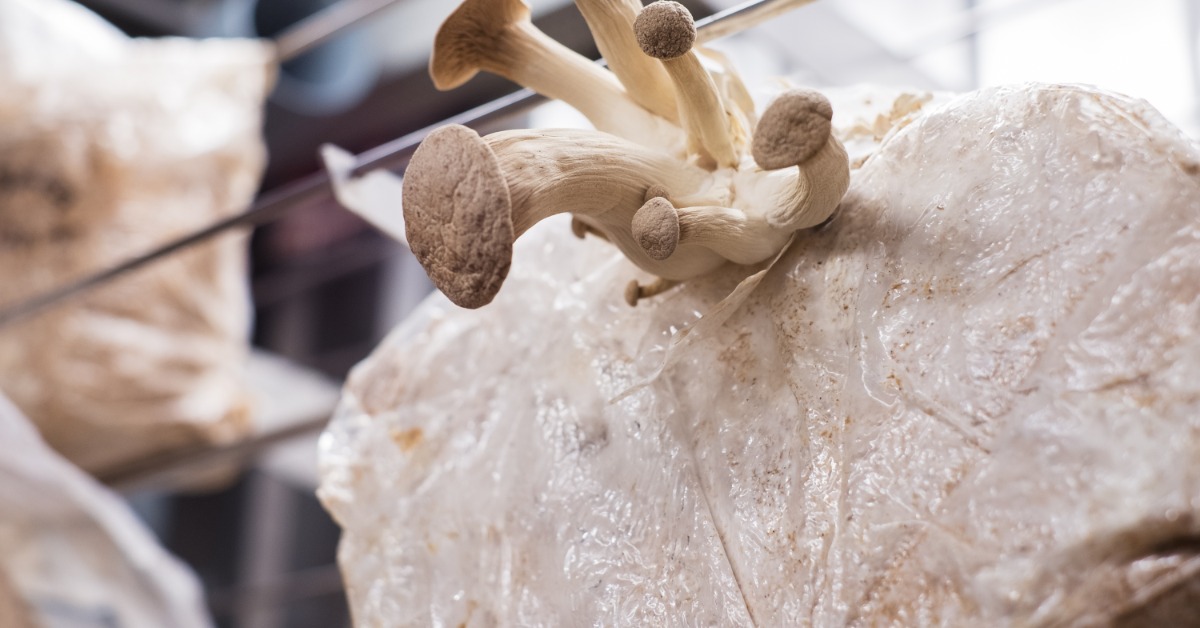
After you inoculate a grain bag, treat it as an active grow rather than stored inventory. Move it to your colonization area and leave it there unless your instructions say otherwise. Keep unused bags separate from active projects to keep your supplies organized.
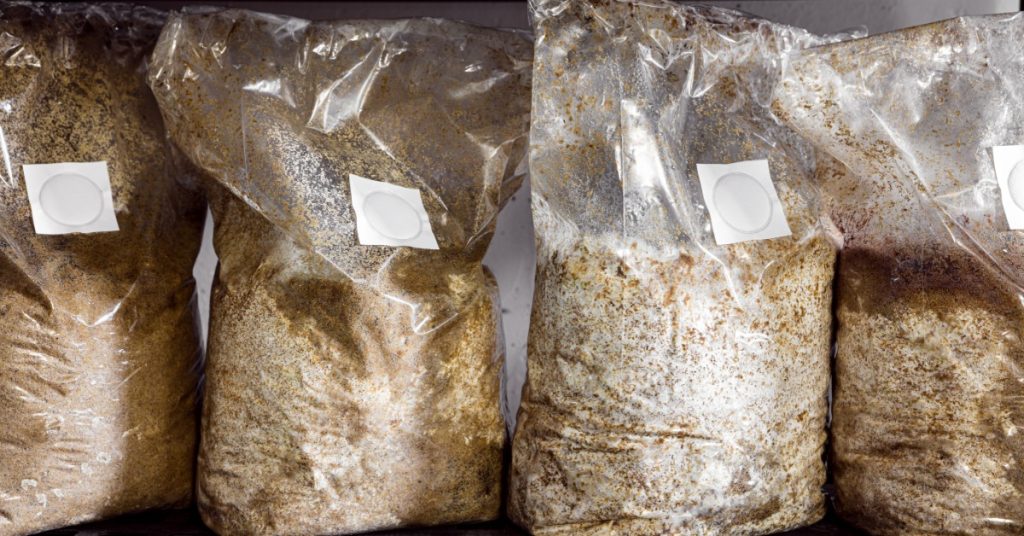
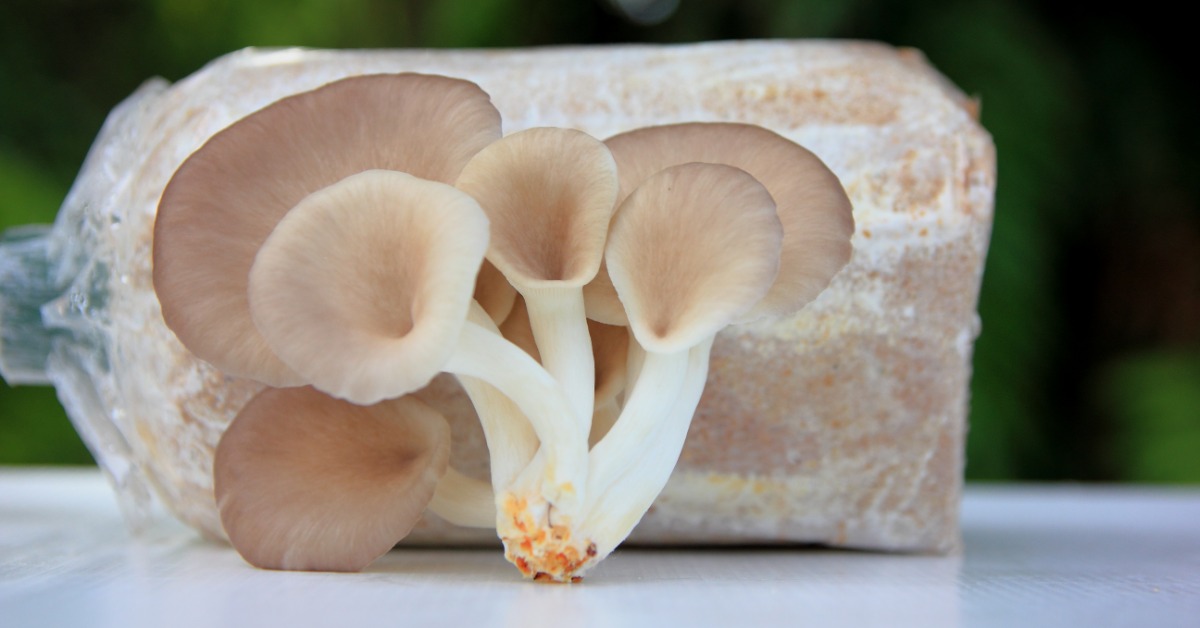
Keep prepared substrate in its original packaging until you need it. If you open the bag early, you reduce the protection it received during preparation and gain no benefit. Give substrate bags enough space so other supplies don’t press on the seams. This practice is especially important if you store several bags for future grows.
Substrate can quickly fill your storage space, and buying too much at once can crowd your area. Plan your purchases according to the projects you actually intend to start. When you match your supplies to your growing schedule, you spend less time moving bags and are less likely to forget older materials at the back of a shelf.
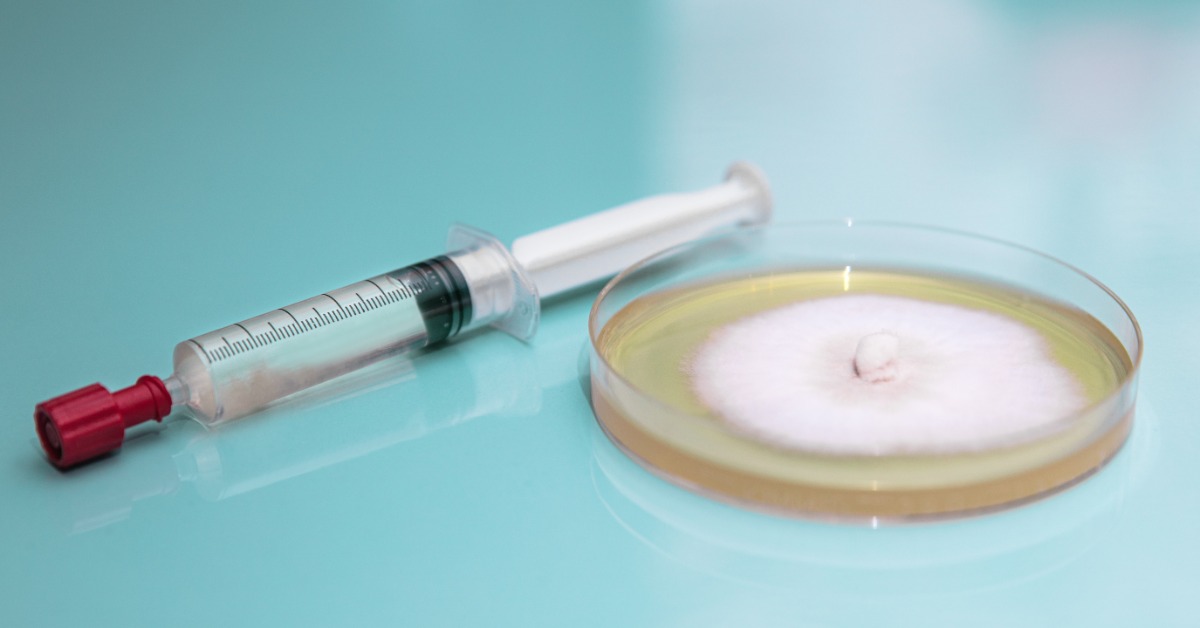
Refrigerate pre-poured agar if the instructions recommend it. Cold storage slows moisture loss and keeps the plates in good shape while they wait for use. Keep unused plates in their original packaging. When you’re ready to use them, let the sealed plates warm up to room temperature before opening. This step lets the plates adjust without exposing the agar too soon.
Culture syringes contain living material, so handle them more carefully than unopened tools or empty containers. Many liquid cultures should be refrigerated, but storage depends on the culture and supplier. Always follow the product instructions, and keep the syringe sealed until you’re ready to inoculate. If you open or attach the needle early, you increase the risk of contamination.
As your setup gets bigger, organize your materials as carefully as you control temperature. Store unused sterile materials in their own spot, away from fruiting projects and used equipment.
A practical setup can include:
This setup also makes inoculation day easier because you already know where everything is.
Instead of repeating temperature rules for each bag and package, pick one reliable spot for materials you can keep at room temperature. Keep this area out of direct sunlight and away from heat sources. Choose a cabinet or inside shelf, rather than a windowsill or next to a vent. Your main goal is to avoid places that get hot or change temperature during the day.
You don’t need special equipment to create a good storage spot. In fact, simple works best. You can manage a quiet, steady shelf more easily than a place where you have to keep moving supplies because conditions change.
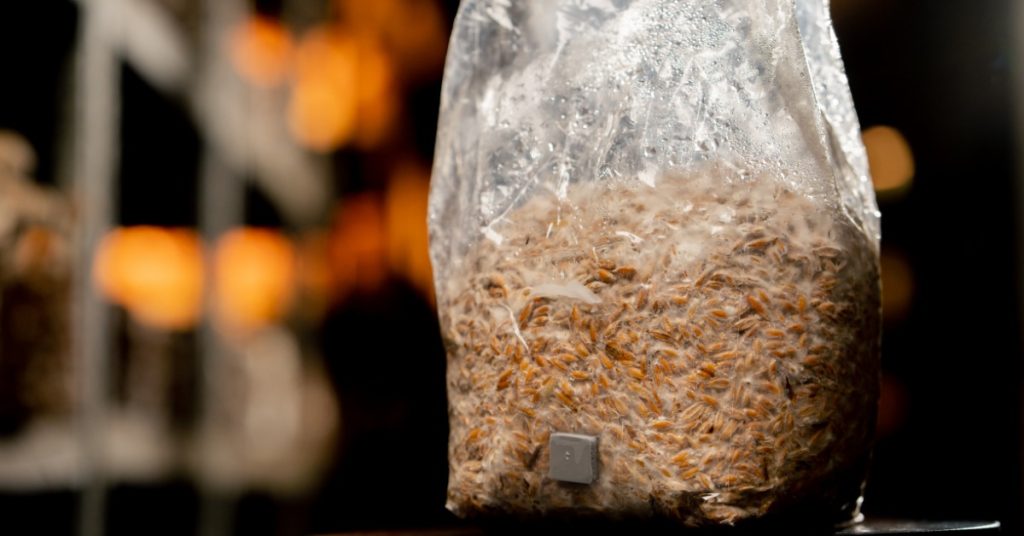
You don’t need to squeeze grain bags every day or keep moving substrate around. Handling them too much can wear out the packaging and raise the risk of contamination. When you check a bag, look at the packaging first. If you see a damaged seam or puncture, take care of it right away. After a quick check, put the material back and let it wait for your next grow.
Moisture inside a sealed bag can worry new growers, especially if you’ve been told to watch for contamination. But condensation alone doesn’t cause bacteria or mold. Contaminants must enter the bag first. Instead of judging a bag by a bit of moisture, look for real warning signs like damaged packaging or strange growth after inoculation.
When you have supplies for several projects, newer materials can push older ones to the back. Use your earlier purchases first, as long as they’re still within the recommended storage period. Write the arrival date on the package if the original label isn’t clear.
This simple habit also helps you notice if you’re ordering too much. If plates often dry out before you use them or substrate piles up, order less next time. You’ll find that storage is easier when your supplies keep pace with your real growing habits.
Once you make these storage practices part of your mushroom growing routine, storage won’t feel like wasted time between projects. Instead, you’ll protect the supplies you plan to use next.
Want to make your next grow easier from the start? Booming Acres offers a wide variety of mushroom-growing supplies to help you start with well-prepared materials, so you save time getting ready. Check out Booming Acres and get the essentials for your next mushroom project!
This article provides cultivation education only and does not provide medical advice. Nothing here has FDA approval, and nothing here claims to diagnose, treat, cure, or prevent any condition. Always follow safe handling practices and the instructions for your specific mushroom materials.