Categories :
Share This :

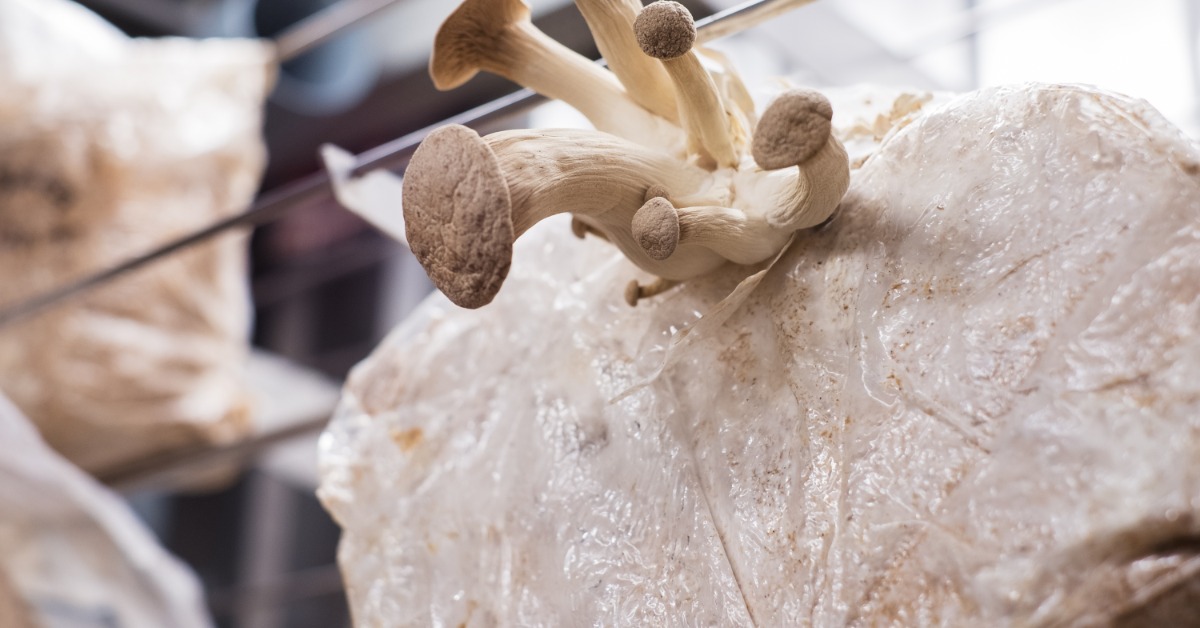
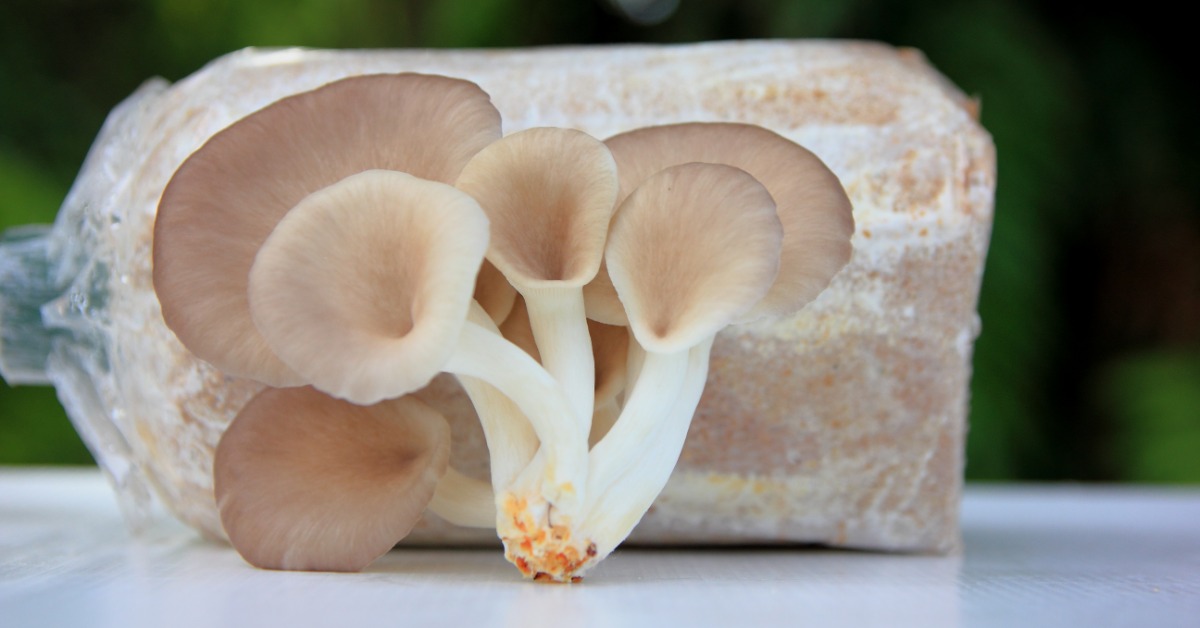
Once you move from culture work to grain, the container you choose starts to shape the whole grow. Grain jars have been around for a long time, and they still work well for small batches. Grain bags, however, give you more room to work and become noticeably easier to manage as your grow gets bigger.
Both can produce healthy grain spawn. The real difference shows up when you start handling the grain and getting ready to move that spawn into substrate. Read on as we explain the main differences between mushroom grain bags and grain jars.
Before comparing the containers, it helps to understand what they do. Both hold sterilized grain while mushroom mycelium colonizes it. Once the grain becomes fully colonized, you have grain spawn that can move into an appropriate bulk substrate.
So, neither container changes the basic cultivation process. What changes is how easily you can manage that process. With a jar, you work with a smaller, rigid container. A grain bag gives you more capacity and a flexible shape. That difference may seem minor at first, but you’ll feel it as the amount of grain increases.
The container does not turn grain into a fruiting substrate. Grain gives mycelium a nutrient-rich place to establish before it spreads into more material. Once you understand that role, choosing between jars and bags becomes less about tradition and more about workflow.
Capacity is one of the clearest differences between the two options. A jar works well when you only need a modest amount of grain. If you want more spawn, though, you quickly end up managing several separate jars.
A grain bag lets you handle more in one container. That makes bags attractive when you want to increase production without filling an entire shelf with glass. Instead of preparing and tracking several jars, you can work with fewer containers while still producing enough spawn for a larger substrate run.
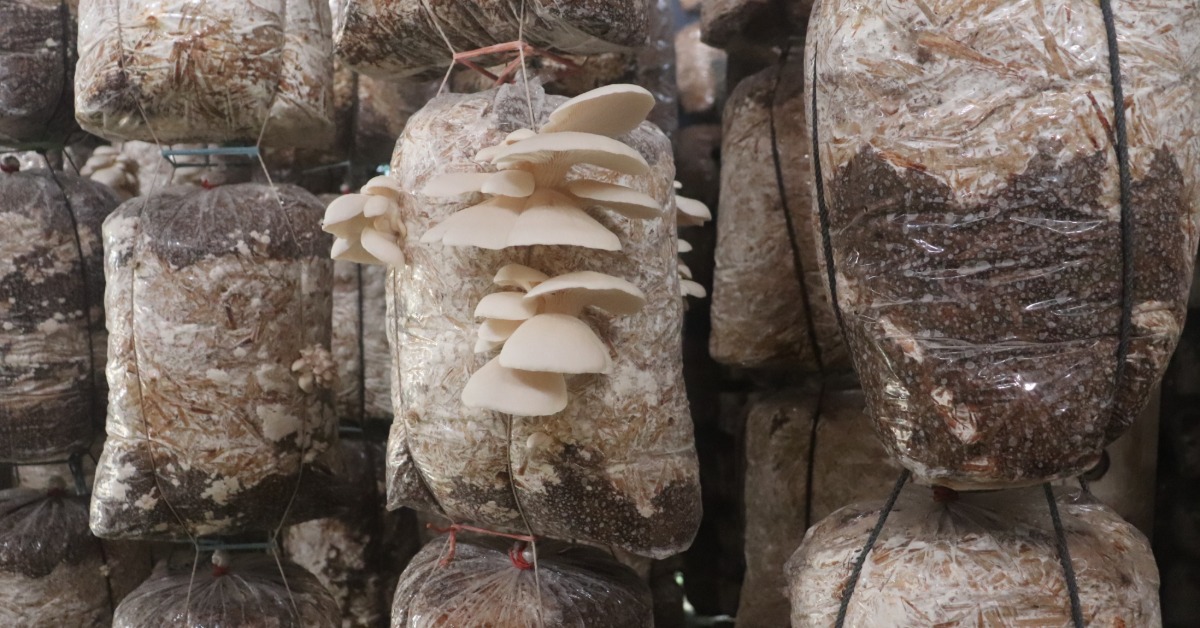
Bags give you more space, but you still need to use that space wisely. Packing a bag as full as possible makes the grain harder to break apart later.
Leave enough room for movement. That open space becomes useful once mycelium establishes and you need to redistribute colonized grain throughout the bag. Jars need the same consideration. If you fill one too high, you lose the headspace needed for shaking.
A grain bag does not rescue poorly prepared grain. Neither does a jar. If you prepare your own grain, hydration and surface drying still matter before sterilization.
You want the grain hydrated internally without leaving the outside covered in excess water. When grain stays too wet on the surface, it can clump during sterilization, which makes later mixing harder.
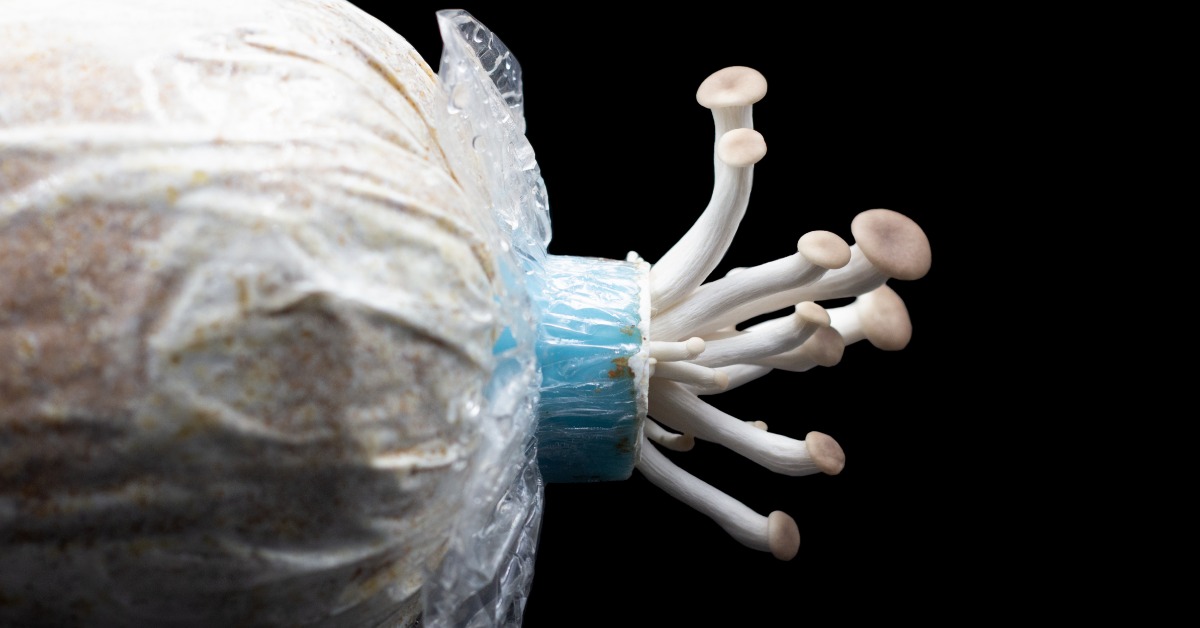
The container design affects how you inoculate the grain. Many mushroom grain bags have a self-sealing injection port, giving you a designated spot to introduce liquid culture or another syringe-based inoculant without opening the bag.
Jars can use injection ports too, but the lid has to be built for that purpose. If you prepare jars yourself, make sure the lid supports filtered gas exchange and clean inoculation.
For a beginner, a ready-made bag removes some of those setup decisions. You still need clean technique, of course. A good injection port cannot protect the grain if you introduce contamination with a dirty needle.
Before inoculating either container:
After that step, give the mycelium time to work.
This is where bags start pulling ahead in a practical home grow. As mycelium spreads, growers often redistribute the colonized grain. Doing so creates more inoculation points throughout the container and can help the remaining grain colonize more evenly.
With a jar, you have to shake the rigid container hard enough to break up the colonized mass. That works well when you leave enough space at the top. If the grain becomes tightly packed, though, breaking the mass can become frustrating.
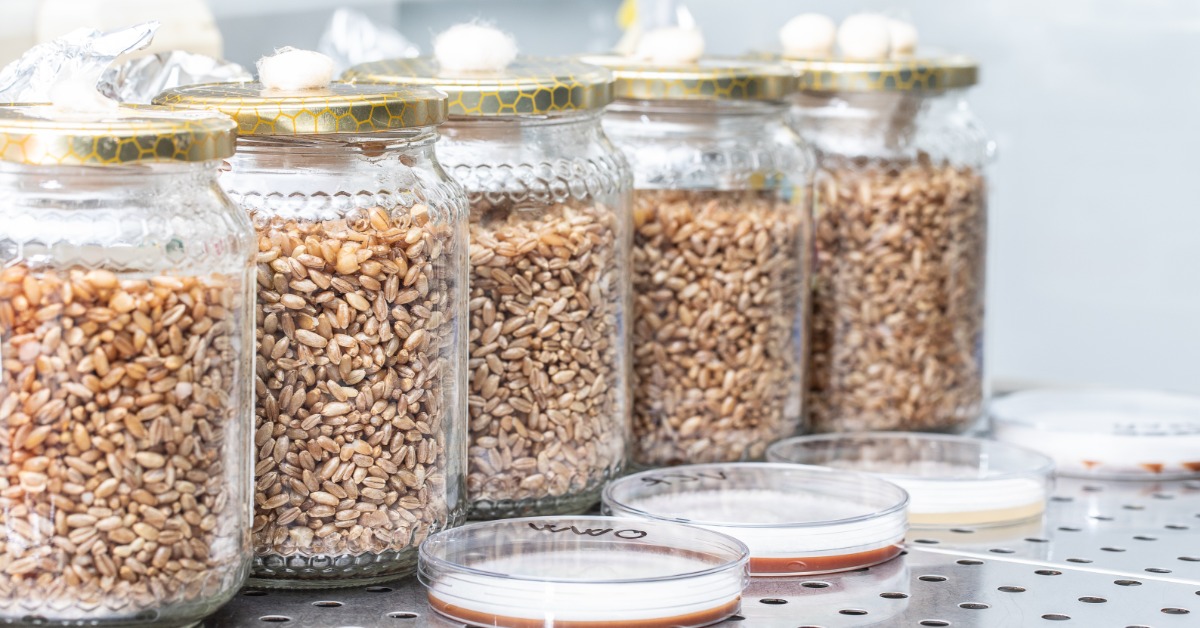
Bags have an advantage in capacity, but jars still do one thing particularly well: they make small batches easy to inspect. The rigid glass gives you a clear view around the container. You can turn a jar without changing the grain mass’s shape. If you are comparing cultures or running a few small tests, that can be especially useful.
Separate jars also divide the batch. If one gets contaminated, the other jars stay physically isolated.
Glass jars have a clear advantage after the grow ends. Wash them, keep the lids, and you can reuse them. If reusability matters most to you, jars deserve serious consideration.
There is a catch. Empty jars still take up as much space as they did during colonization. Once you collect enough, you need somewhere to store all that glass.
Unused bags take up very little room. You can stack them without giving up an entire shelf. After use, however, cultivation bags usually don’t return for the next grain run.
Some growers keep both around. Use jars when you want a small grain run, then reach for bags when you need more spawn. If you already know that you want to increase production, though, starting with bags can save you from rebuilding the workflow later. You get familiar with the same container style that will keep working as your batches grow.
Once you use both mushroom grain bags and grain jars through actual cultivation, the difference becomes much easier to understand. Jars give you a reusable option for smaller batches. They also let you separate experiments into individual containers.
Bags offer more flexibility once you want to grow beyond that stage. You can handle more grain without multiplying containers, and the flexible bag makes break-and-shake much easier. When it is time to move colonized spawn into substrate, that same flexibility keeps the transfer straightforward.
Booming Acres offers sterile grain bags for mushrooms designed for growers who want to spend less time on grain prep and more time watching mycelium move. If a shelf full of jars is starting to feel like too much to manage, a ready-to-use bag gives you more room to scale without adding extra containers to every run. Shop Booming Acres and make your next grain run easier to manage from start to finish!