Categories :
Share This :


Shiitake mushrooms take their time, and that slower pace is part of the appeal of growing them. They rely on wood-based material and need a full colonization period before fruiting begins. That shift in conditions does not happen instantly. Beginner growers can feel overwhelmed at first, and that’s okay! A steady approach tends to work better than constant adjustment. Here are some of the top techniques for growing shiitake mushrooms at home!
Shiitake naturally grows on hardwood. In the wild, it breaks down fallen logs over time. At home, growers recreate that environment using logs, sawdust blocks, or wood-based grow bags. Each option follows the same principle! The mushroom needs a woody food source and enough time to establish itself.
This growth pattern sets shiitake apart from faster varieties. It does not respond well to frequent changes or constant checking. Instead, it develops best under stable conditions.
Shiitake does not rush. Logs may take months before producing anything visible. Indoor grow bags and substrates may move faster, though they still require patience. A slow timeline does not immediately signal failure. It usually means the mycelium is building strength beneath the surface.
Your setup should match your space and routine. Indoor blocks provide more control and fit smaller environments. Grow bags can simplify the process even further when designed for wood-based cultivation.
Here’s a simple way to compare the main options:
Trying multiple approaches at once often leads to confusion. Focus on one method first, then learn how shiitake behaves in that environment. Once you understand its rhythm, expanding becomes much easier.

Shiitake depends on hardwood. Sawdust blends and fresh logs all work when chosen correctly. The substrate should also align with your chosen method. Indoor growers often prefer sawdust bags because they are compact and easier to manage. Matching the material to the environment helps keep the process predictable.
Logs respond to outdoor conditions and seasonal changes. Blocks rely on indoor control. Treating them the same way with logs often leads to inconsistent results. When the substrate fits the setup, the grow becomes easier to manage.
The process begins with introducing mycelium into the material. Blocks and bags follow their own instructions, depending on the product. However, one thing stays consistent: clean handling is important at every step.
Contamination competes with the mushroom for space. If unwanted organisms take hold first, the grow may stall. A clean workspace and careful technique reduce that risk.
Set up your tools before you begin! Keep everything clean and within reach. Avoid working in dusty areas. Once the inoculation process is complete, move the material to its proper location and leave it undisturbed.
Colonization happens quietly. The mycelium spreads through the wood-based material, even when nothing seems to change on the surface. This stage builds the foundation for fruiting.
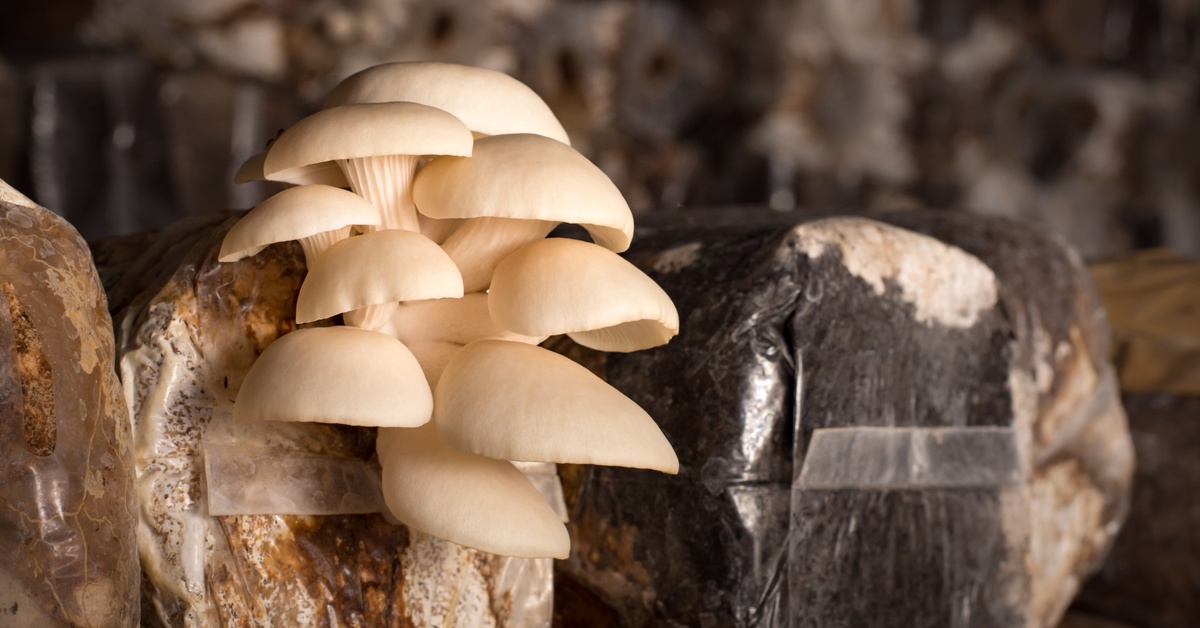
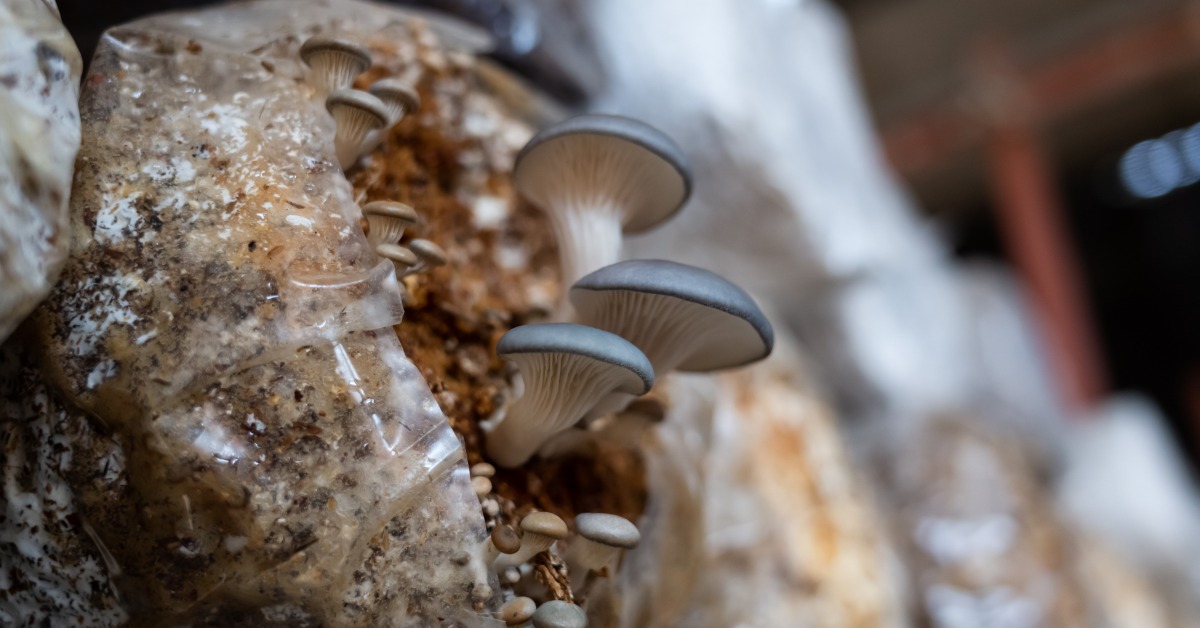
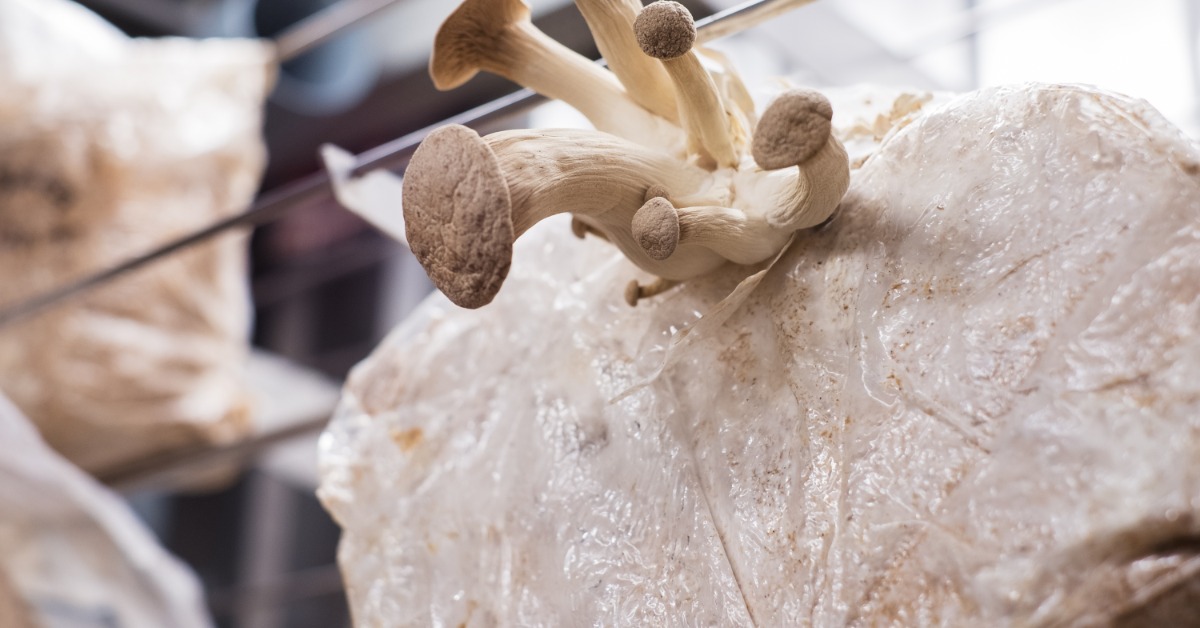
Indoor blocks often shift in appearance as they mature. Some develop a darker outer layer before producing mushrooms. That change is part of the process! Interrupting it too soon can weaken the final result.
A fully developed block produces more consistent growth. Rushing into fruiting conditions often leads to uneven results. Let the mycelium finish its work before making adjustments.
Shiitake blocks often develop a brown outer layer as they mature. This can look unusual at first, especially if you expect bright white mycelium. In most cases, browning signals readiness rather than a problem.
Observation helps here. A healthy block should not smell unpleasant or show unusual colors like green or black. If the change appears gradual and even, it is likely part of normal development.
Leave the surface alone during this stage. Handling or scraping can damage the structure and introduce contaminants. Shiitake responds best when left undisturbed until it is ready to fruit.

Shiitake responds to environmental shifts. Logs often fruit after soaking, once they have fully colonized. Indoor blocks may require fresh air and adjusted humidity. The exact trigger depends on the setup. Introducing fruiting conditions too early can stall growth. Wait until the block is ready to improve the chances of a strong flush.
Follow the instructions for your setup and avoid overdoing any step. A controlled change works better than a sudden shock. Let the mushroom respond naturally!
Shiitake needs moisture, though it also requires airflow. Dry conditions can damage developing mushrooms, but stagnant air can also lead to weak growth. A balanced environment is key here to support healthy development. Start with one change first, then watch how the mushrooms respond. Their appearance often reflects the conditions around them.
Strong airflow can dry out the surface quickly. If mushrooms stop developing or show signs of stress, check for drafts. A sheltered fruiting area usually works better than an exposed one.
Timing affects both texture and quality. Shiitake mushrooms are best harvested when the caps have opened but still hold some shape. Waiting too long can change their structure, but harvesting too early limits their size. Don’t worry, with a few practice runs, you’ll get the hang of it!
Make sure to use clean hands or tools when removing mushrooms. Handle them gently to avoid damaging the block. A careful harvest supports future flushes, after all!
The edges of the cap offer a clear signal for harvesting. Slightly curled edges often indicate that it’s the right moment to harvest. Once the cap flattens, the mushroom may be past its peak.
Shiitake growing becomes easier with experience. A steady routine, clean handling, and patience create a reliable process. Once you understand top techniques for growing shiitake mushrooms at home, the focus shifts from guessing to observing.
Ready to grow some shiitake mushrooms right inside your home? Booming Acres offers mushroom grow substrate and supplies that help home growers build a cleaner, steadier setup from the start. Since shiitake needs the right wood-based material, dependable supplies can make each stage easier to follow. Set up your grow with Booming Acres today!
This article provides cultivation education only and does not provide medical advice. Nothing here has FDA approval, and nothing here claims to diagnose, treat, cure, or prevent any condition. Always follow safe handling practices and the instructions for your specific growing materials.