Categories :
Share This :


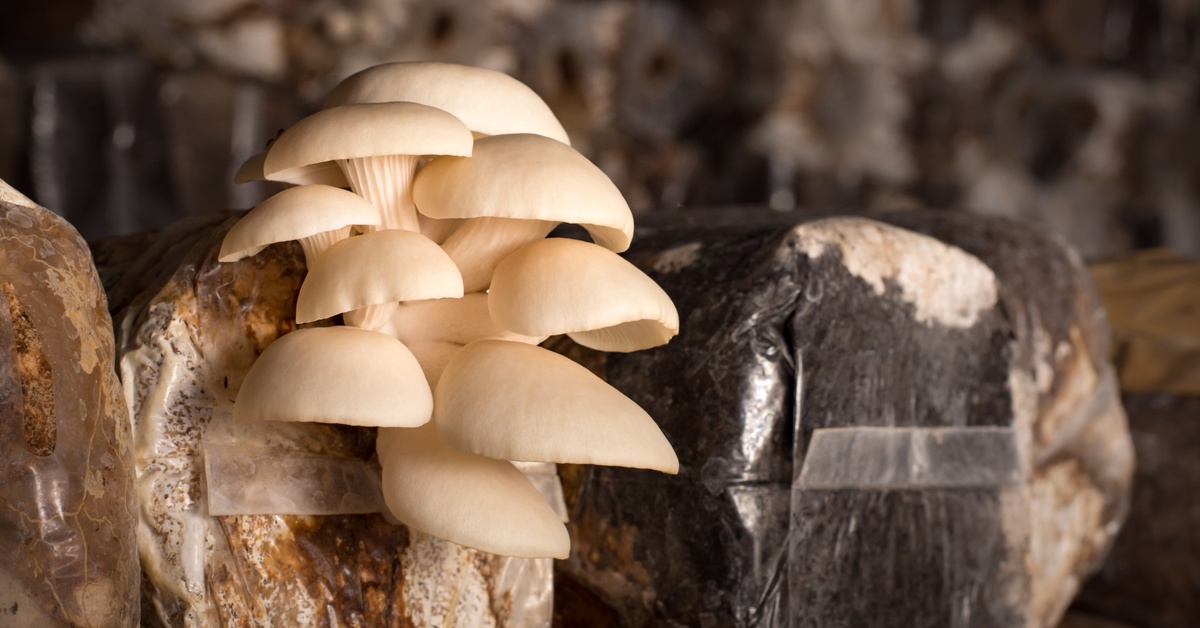
You don’t need luck or secret tricks to grow mushrooms indoors, just an understanding of what mushrooms want! The science behind growing mushrooms indoors is simple: give your mycelium the right food, a clean home, and pay attention to the signals that tell it when to fruit. When you provide those steady conditions, you’ll be surprised how easy and repeatable indoor mushroom cultivation can be, even in your own home.
Think of mycelium as the heart of your mushroom project; a living underground network that does the real work. The mushrooms you see and harvest are just the fruit, a temporary show of all the effort happening behind the scenes. If you approach indoor growing as a caretaker guiding this living system, rather than just waiting for something to pop up, you’ll have a much more rewarding experience.
Mycelium is like a chef in its own kitchen; it releases special enzymes into the substrate (its food source) to break down complex materials into nutrients it can easily absorb. That’s why the makeup and moisture of your substrate matter so much. Too dry or too soggy, and the mycelium can’t “cook” efficiently; it has to shift its energy to coping with stress instead of growing strong and healthy.
The substrate is both the pantry and the home for your mycelium; it provides food and a place to grow. A good substrate holds just the right amount of water (not swampy, not dry), lets plenty of oxygen flow, and offers the nutrients your fungus needs. Many indoor growing challenges stem from issues with substrate moisture, how tightly it’s packed, or the introduction of unwanted microbes during handling.
Mycelium needs to breathe, just like we do. The structure of your substrate controls how easily air can move through it. Pack it too tightly, and carbon dioxide builds up while oxygen drops, slowing growth and giving bacteria a foothold. If it’s too loose, it can dry out too quickly, leading to patchy, uneven colonization, and finding that “just right” texture sets the stage for healthy mushrooms.
Water is essential for mushroom growth, but balance is key. If your substrate is too wet, there’s not enough oxygen, and outside bacteria can take over. Too dry, and the mycelium might stop growing, or young mushrooms (“pins”) can fail from lack of moisture. Rather than misting constantly or letting conditions swing, aim for steady, even moisture. This helps your mushrooms grow faster, cleaner, and stronger.
You’re not the only one interested in your substrate; molds and bacteria love it too! If these unwanted guests move in first, they’ll grab the food and slow down your mycelium. Some even produce chemicals that hold back fungal growth. Even a little contamination can mean fewer mushrooms or total failure, so cleanliness from start to finish is your best friend.

Mushrooms are great at responding to their environment. When you grow indoors, you get to play “weather controller”, keeping temperature, humidity, and airflow steady so your mushrooms always know what to expect.
Temperature acts like a speed dial for your mushrooms. Warmer (within reason) usually means faster colonization, but too hot or you’ll stress your mycelium and help bacteria. Too cool, and things slow down. The real secret indoors is keeping temperatures steady; a few degrees one way or the other is fine, but wild swings can confuse your crop and cause problems.
Mushrooms love humidity, but especially when they’re forming. The trick is keeping the surface moist enough for pins to develop, but not so wet that water pools or bacteria take over. A dry surface can stop mushrooms from forming, while too much water can cause rot. Aim for a gentle balance; steady humidity with just enough evaporation for happy, healthy mushrooms.
Mycelium is pretty tolerant during its early growth, handling higher carbon dioxide levels just fine. But once it’s time to fruit, mushrooms crave more oxygen and less CO2. Without enough fresh air, mushrooms might grow tall and skinny or develop small caps. The goal indoors is to keep clean air moving gently enough to refresh the space without drying everything out.
Mushrooms aren’t like plants; they don’t need light for food. But many species use light as a signal: it helps them know which way to grow and how to develop properly. Usually, a bit of indirect light is all you need for healthy caps. Indoors, this is easy to set up. Just focus on keeping the light cycle consistent, not super bright. That’s enough to keep your mushrooms growing in the right direction.

The most exciting moment for any grower is seeing those first tiny pins appear; your hard work is about to pay off! Even though it can feel sudden, this stage follows a lot of behind-the-scenes growth.
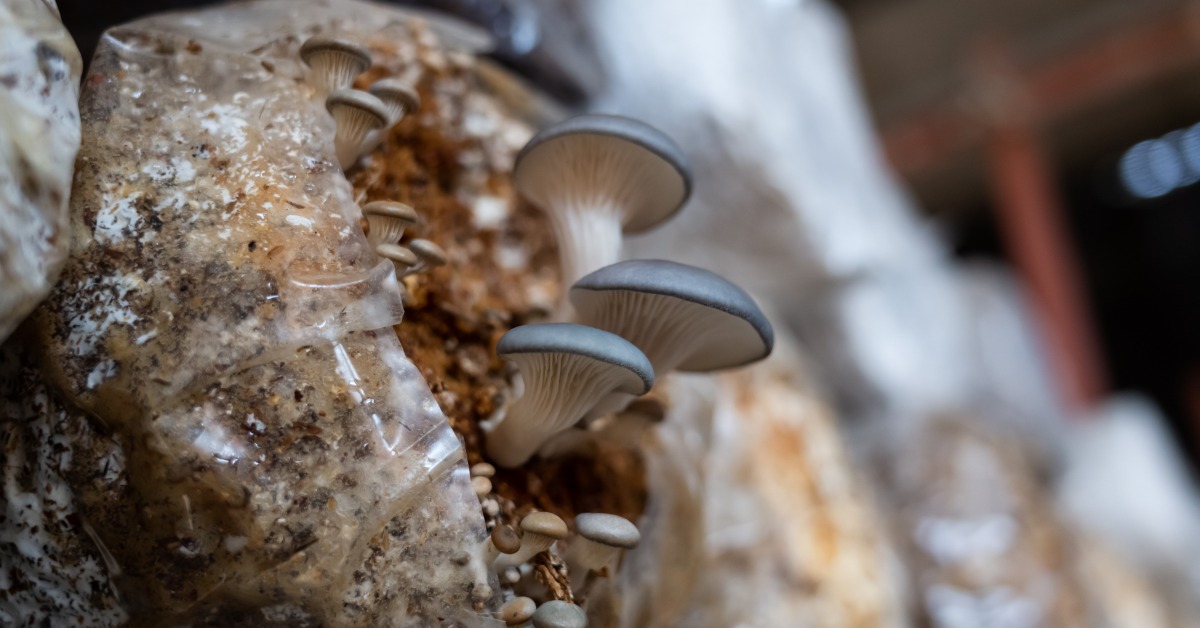
Pins are the baby mushrooms, tiny structures that pop up when mycelium senses it’s safe and ready to reproduce. The right mix of humidity, fresh air, and gentle surface evaporation encourages strong pinning. Indoors, you’ll see the best pin sets when the surface stays evenly moist, and the air is refreshed. If conditions swing or get uneven, pins might be patchy or fail to grow into full mushrooms.
Mushrooms grow fast! Most of their size comes from taking in water and inflating their cells. That’s why a well-hydrated substrate and steady humidity matter so much at this stage. If things dry out or get too wet, growth can slow, caps might split, or pins could fail. Keep the environment steady, and you’ll see bigger, healthier mushrooms with great structure.
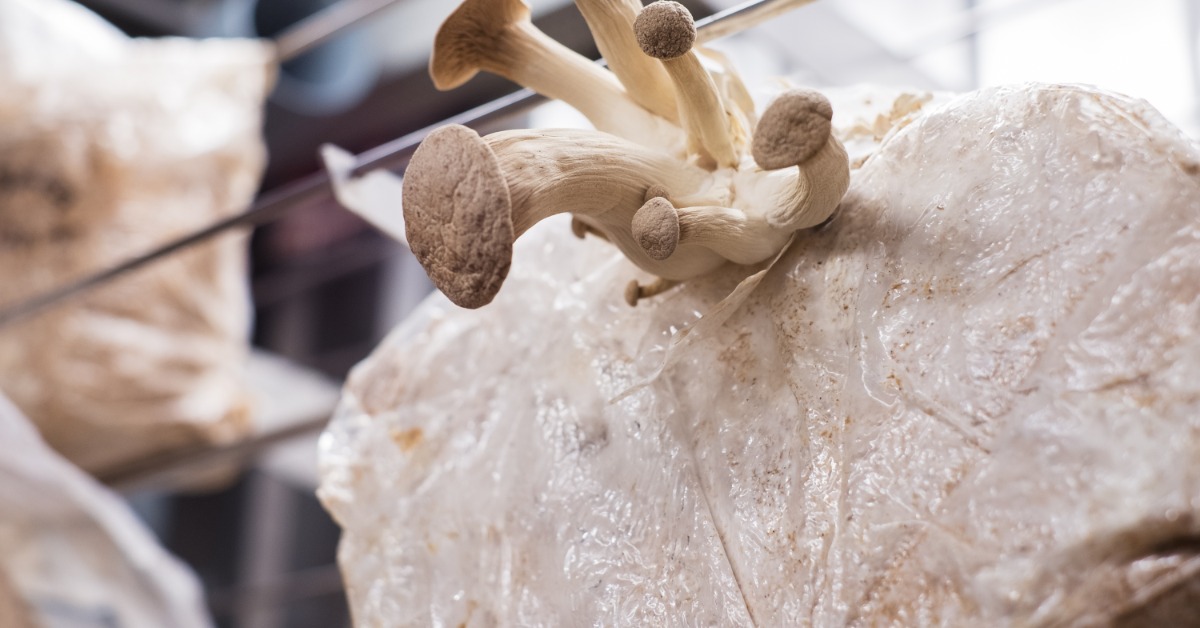
Harvesting at just the right time keeps your mycelium healthy and sets you up for more mushrooms later. If you wait too long, some varieties will drop spores or get soft. Picking carefully also helps protect the surface for the next round of pins. After harvest, keep conditions steady! This helps your mycelium recover and get ready for another flush.
Think of indoor mushroom growing as running your own mini ecosystem. Mycelium needs clean food, enough oxygen, and steady moisture to build a strong network before it can fruit. The real science behind growing mushrooms indoors? Steady parameters! When you keep things clean and conditions steady, you help your mushrooms grow healthier, and you’ll get more reliable harvests each time.
Booming Acres offers beginner-friendly mushroom growing supplies that make it easier to put the science into practice with a clean, reliable setup. Explore the options and choose a setup that fits your space, so you can focus on dialing in moisture, airflow, and cleanliness rather than troubleshooting from scratch.