Categories :
Share This :


For growers comparing mushroom mycelium versus fruiting bodies, the differences usually come down to timing and what you can actually see. Mycelium is the hidden growth network doing the quiet work inside the substrate. Meanwhile, fruiting bodies are the mushrooms that appear later, when conditions signal to the network that it is time to reproduce. Once you understand how these two stages work together, mushroom cultivation becomes easier to read from start to finish!
Mycelium is the living network of fungal growth that spreads through grain or substrate. It often appears white, fuzzy, dense, or threadlike, depending on the mushroom and growing medium. In a grow bag, mycelium is what slowly takes over the inside before mushrooms appear.
When a mycelium colonizes well, the grow has a stronger base for fruiting. If it stalls or is contaminated, the fruiting stage may never happen properly.
Mycelium breaks down food sources and expands through the growing material. It is not there just for appearance! It is actively gathering resources and preparing the grow for the next stage.
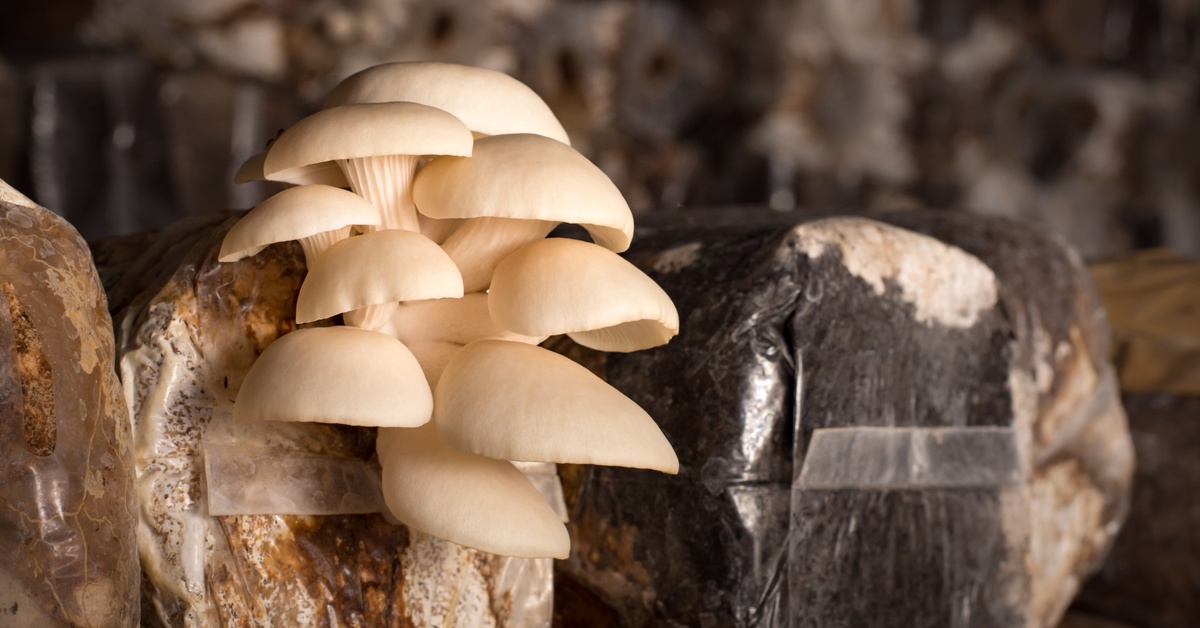
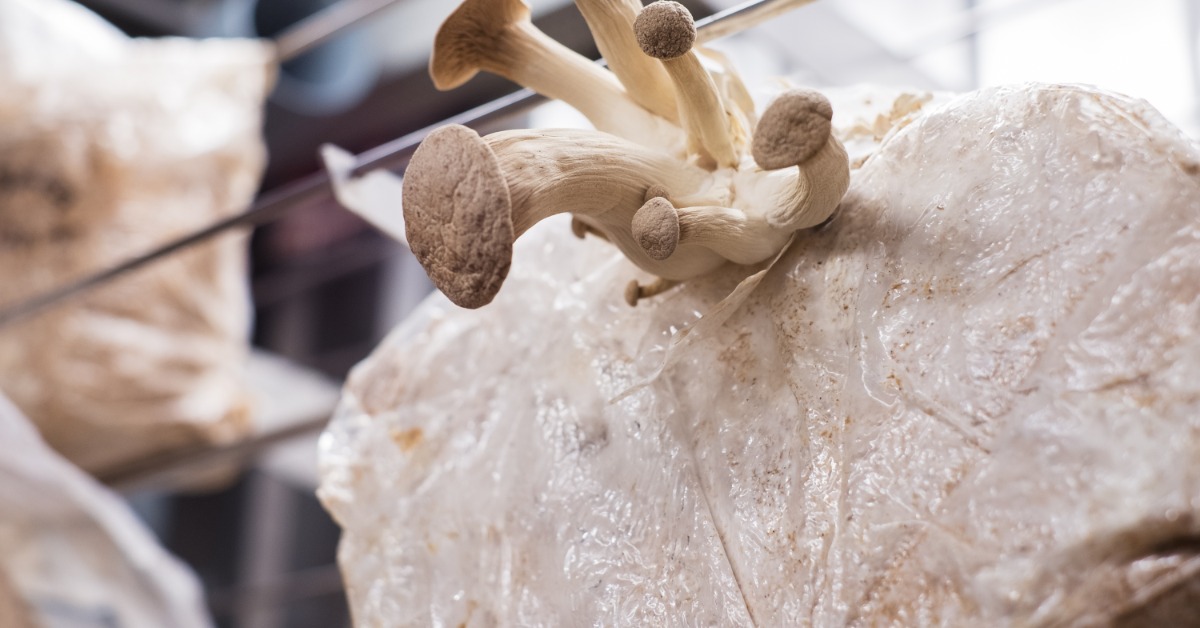
Fruiting bodies are the mushrooms that grow from the colonized material. They are the visible part most people recognize. In cultivation, fruiting bodies often appear after the mycelium has colonized sufficient material and has received the appropriate environmental signals. Those signals may include fresh air or a shift in temperature. The exact needs depend on the mushroom type and the grow setup.
A fruiting body is not the whole fungus. It is simply the part produced by the larger mycelial network. The mushrooms you harvest are the result of all the quiet work that happened earlier inside the bag or substrate.

Mycelium and fruiting bodies are stages of the same life cycle. Mycelium spreads first and prepares the material, while fruiting bodies appear later when the fungus is ready to produce mushrooms.
This is why a grow can look like “nothing is happening” for a while. During colonization, most of the progress is happening inside the material. The visible harvest comes later.
Mycelium is the setup, and fruiting bodies are the payoff. A strong harvest usually depends on a strong colonization stage before it. That is why beginners must stop chasing mushrooms too early!
Beginners often get excited as soon as they see white growth. That excitement makes sense, but it can also lead to mistakes. Opening the bag early or changing conditions too soon can expose the grow and interrupt colonization.
Mycelium needs time to move through the material. It also needs stable conditions. Unfortunately, excessive interference can slow growth rather than help it.
Healthy mycelium is usually white and consistent. It may look fluffy in some areas and thicker in others. The texture can vary between mushroom types, so the main thing to watch is steady, organized growth.
Common signs that the grow is moving in the right direction include:
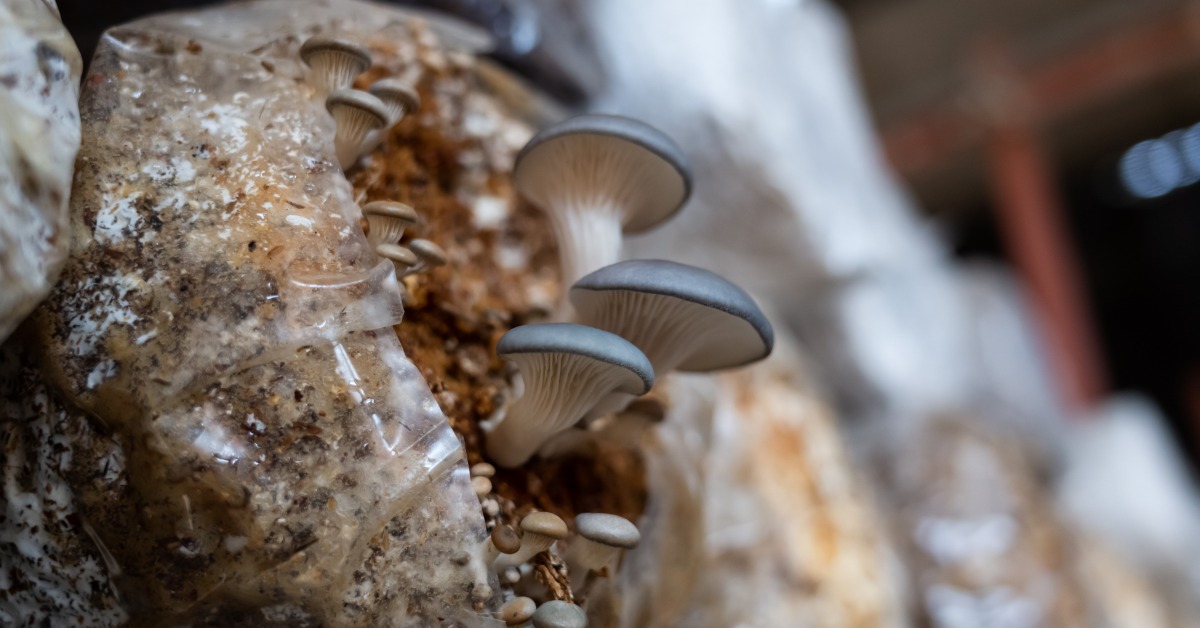
Healthy fruiting bodies should develop steadily once conditions are right. Pins usually appear first, then expand into recognizable mushrooms. Depending on the species, they may grow as clusters or individual mushrooms.
During this stage, humidity and fresh air become more important. Dry air can cause pins to stop growing. Fruiting bodies are also more exposed than hidden mycelium, so the grower has to manage environmental conditions carefully.
Pins are essentially young fruiting bodies and can be sensitive to dry air or sudden changes. If pins form and then stop growing, the environment may need adjustment. Look at moisture and airflow before changing everything at once.

The easiest way to tell the stage is to look at what the grow is doing. If white growth is spreading through grain or substrate, you are in colonization. If small mushroom pins are forming from colonized material, the grow has moved into fruiting.
Beginners usually see mycelium and assume mushrooms will appear immediately. Unfortunately, that is not how the process works. Mycelium must establish first. Fruiting bodies come after the grow has built enough strength and receives the right cues.
One common mistake is thinking mycelium and fruiting bodies need the same care. They do not. Mycelium usually needs stability and protection during colonization. Fruiting bodies, on the other hand, need a more active balance of humidity and fresh air.
Another mistake is treating visible mushrooms as the only sign of success. A clean, fully colonized bag is already major progress! Without that stage, there is no reliable fruiting stage. A strong grow is built before the first mushroom appears.
During colonization, overhandling can disrupt the material. Meanwhile, excessive misting or strong airflow can cause problems during fruiting. Each stage needs care, but neither stage benefits from constant interference.
The simplest way to understand the difference between the two is to remember that mycelium builds the grow and fruiting bodies show the result. One happens mostly inside the material. The other appears where you can see it. Both matter, and both need the right conditions at the right time!
Once you understand the differences between mushroom mycelium versus fruiting bodies, the grow becomes much easier to read. You can stop expecting mushrooms before the mycelium is ready. Give each stage what it needs, and the full process starts to make a lot more sense.
Ready to support your grow from the first signs of mycelium to the final fruiting stage? Booming Acres offers mushroom farming equipment designed to help home growers! Stock up on the practical supplies that make each step feel less confusing, from sterile syringes for cleaner inoculation to monotube kits that help create the right fruiting environment. Shop Booming Acres today and give your next mushroom project the setup it needs.
This article provides cultivation education only and does not provide medical advice. Nothing here has FDA approval, and nothing here claims to diagnose, treat, cure, or prevent any condition. Always follow safe handling practices and the instructions for your specific mushroom materials.