Categories :
Share This :

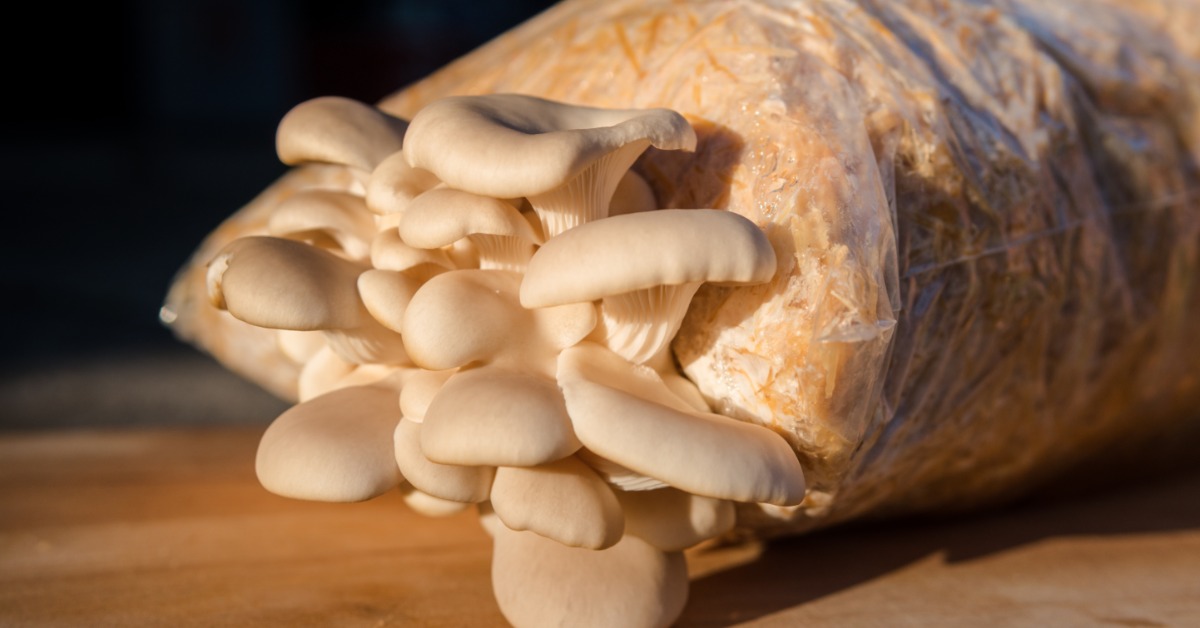
Starting in mycology can seem overwhelming. There are so many tools, and you might end up buying things you don’t need right away. Different guides may give you conflicting advice, further confusing you. As a beginner, it’s best to keep your setup simple, clean, and steady.
To help you cut through the confusion, we’ll walk you through the five essential tools you need for getting started in mycology, so you can start your grow with clarity instead of overwhelm.
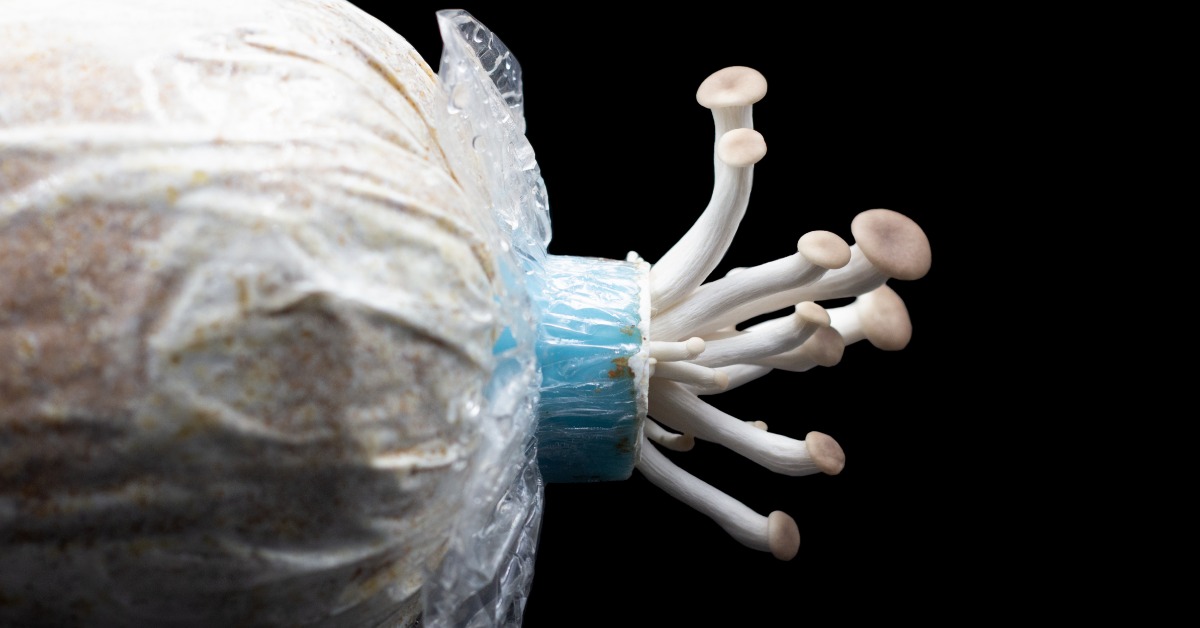
A sterile grow bag keeps everything contained, making things much easier for beginners. You don’t have to move things between containers, which lowers the risk of contamination. An all-in-one bag combines the grain and substrate into a single sealed package.
This means you can focus on learning the basics before worrying about more advanced steps. After you add your culture, just keep the bag closed and let it do its job while the mushrooms start to grow inside. Let’s look more closely at two key features of these bags: the injection port and the filter patch.
An injection port is a built-in, self-sealing rubber area on a grow bag that allows you to add mushroom culture using a syringe without opening the bag. After you insert and remove the needle, the port seals itself, reducing the risk of contamination and making the process easier and safer.
A fine filter patch is a small, breathable section built into a grow bag. It lets fresh air enter while blocking most germs and bacteria. Mycelium, the part of the fungus that grows in the bag, needs oxygen, so this patch is essential. Most filter patches have pores about 0.2 microns wide, which are small enough to block contaminants but still allow air to flow. Using the filter means you don’t have to open the bag, which lowers contamination risk.
You don’t need a fancy lab to grow mushrooms, but you do need to keep things clean. A tidy workspace helps keep out unwanted spores and germs. Choose a spot that’s away from fans, vents, or open windows, and make cleaning part of your routine.
Set out isopropyl alcohol, paper towels, and gloves. Wipe your surface and let it dry, as wet alcohol can spread germs. Keep phones and personal items away. These habits help prevent common beginner mistakes.
Inoculation is when sterile materials come into contact with the outside world, so this step requires extra care. Use clean tools and handle everything calmly. Remember that moving slowly is better than rushing! Treat each step like a checklist and keep things simple so you’ll make fewer mistakes.
Always use sterile needles and syringes for inoculation. Only uncap the needle right before you inject, and never touch the needle or set it down. You can use a lighter for flame sterilization; just make sure your needle cools before injecting the genetics to avoid burning the injection port. Wipe the injection spot with isopropyl alcohol and let it dry fully before injecting. Taking your time and being careful during this step helps you avoid

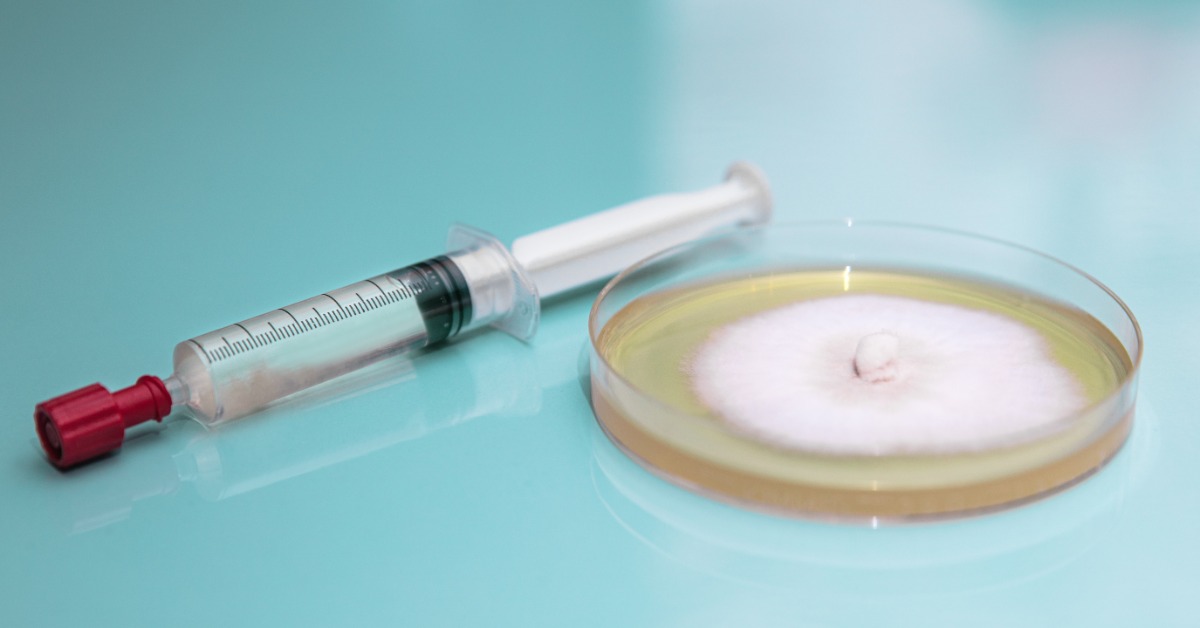
Every grow starts with genetics, so pick the mushroom you want to grow! Always remember to keep the bag sealed until you add the culture or spores. Most beginners use liquid culture or spore syringes with injection ports. Store syringes as directed, keeping them capped and clean for best results.
Liquid culture usually grows faster because it already has living mushroom cells (mycelium). Spores need more time to start growing, so they take longer before you see results. Beginners often find it easier to start with liquid culture, but you can use spores if you’re patient. Whichever you pick, always keep your syringe and needle clean and sterile.
A thermometer measures temperature, and a hygrometer measures humidity, both important for healthy mushroom growth. Using these two simple tools, you can easily check whether your grow area is within the right temperature and humidity range. If conditions change, you can track them and make small adjustments when needed. Consistent temperature and humidity help mushrooms grow well, especially for beginners.
Place your sensor right next to your grow bags or fruiting area, not in another part of the room. Check it once or twice a day and focus on the general trends rather than worrying about every little change. When conditions are steady, your mushrooms will grow more smoothly.
The filter patch is there to help, so let it do its job! Making extra holes or opening the bag early lets in unwanted germs and spores. If your mushrooms aren’t growing as fast as you hoped, check your room conditions or your process first. Most beginner problems are caused by rushing or unstable conditions, not by needing more air.

After you’re comfortable using one grow bag, you might want to try growing more in them. Sterile grain bags let you safely add new mushroom types without having to prepare or sterilize your own grain at home. This simplifies things and makes your growth easier to manage. Milo (sorghum) and other grains are good options for bag-based growing.
Grain in bags works best when it’s easy to break up and stays loose. Rye, milo (sorghum), and oats are good choices as long as you don’t let them get too wet or packed down. If you overfill the bag, it can become too tight in the middle, slowing mushroom growth. It’s best to start with a small bag and keep it in a steady place.
If you’re new to mushroom growing, focus on these tools and good habits. Use sealed bags, clean tools for inoculation, and keep your growing area steady. Once you become more comfortable, you can add more equipment or try more advanced steps.
Begin with a simple grow, keep the inoculation clean, and place the bag in a stable spot with minimal handling. Monitor temperature and humidity for better results. With these five essential tools for getting started in mycology and a little patience, you’ll grow mushrooms with less stress and more success!
Ready to grow mushrooms? Booming Acres offers mushroom growing equipment built for beginners who want a clean, straightforward start without turning the first run into a science fair. Grab the basics that make the process feel manageable, like sterile bags designed for easy inoculation, plus the supporting supplies that keep your setup simple. Shop Booming Acres todayand start your first indoor grow without guessing.